Charting Incentive Progression in Portable Interactive Gaming
Written by Theo Wolf · Jun 9, 2026
Charting Incentive Progression in Portable Interactive Gaming
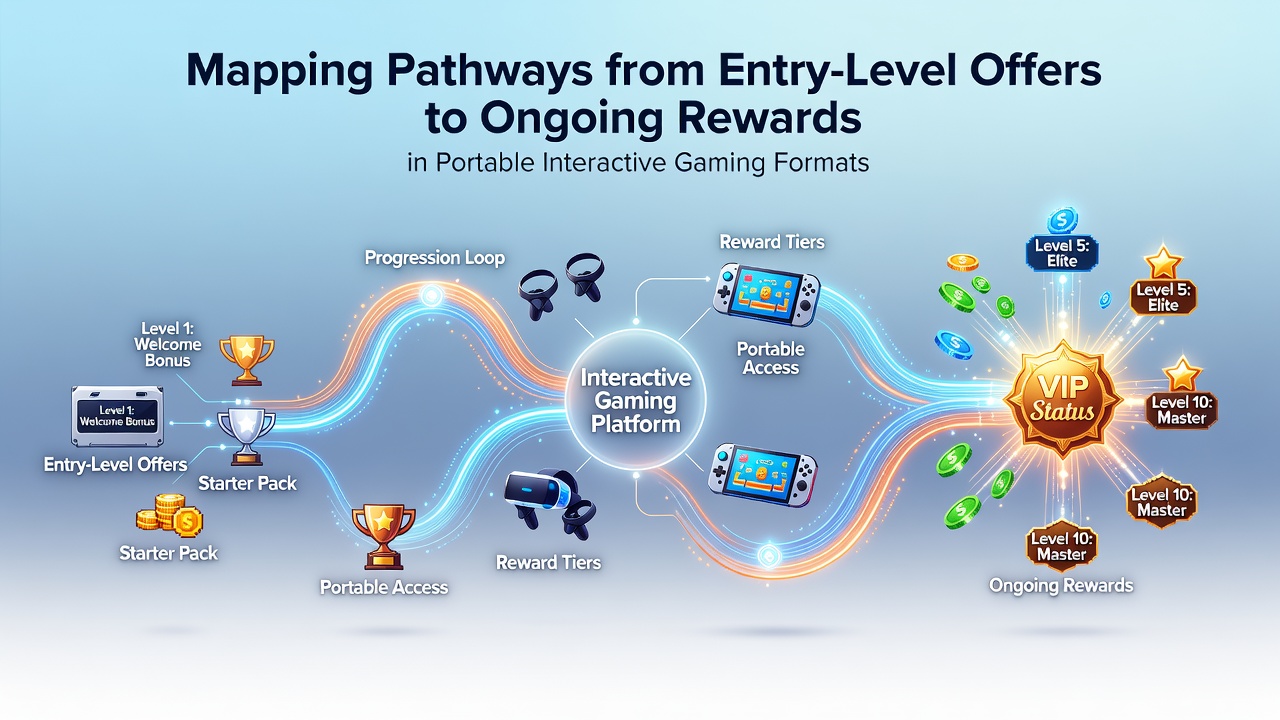
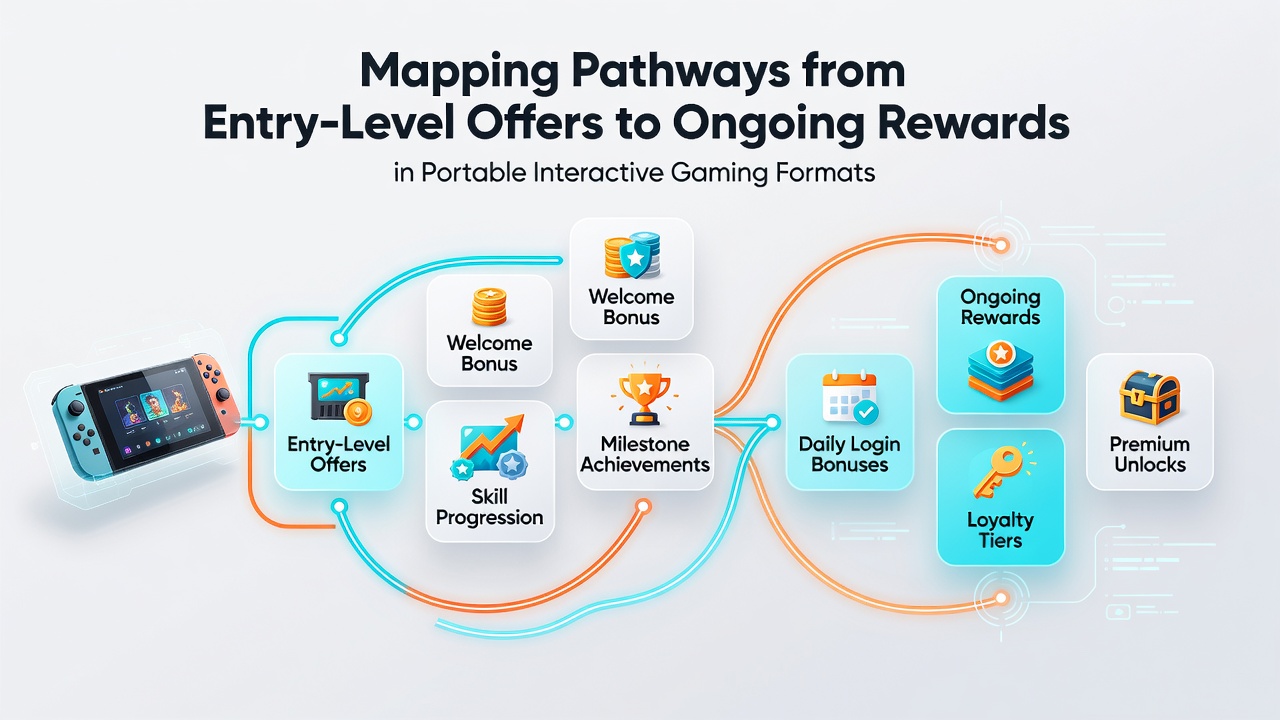
Portable interactive gaming formats encompass mobile slots, live dealer tables, and real-time multiplayer experiences delivered through dedicated applications and browser-based platforms, while entry-level offers typically include welcome packages, no-deposit spins, and initial match bonuses that introduce new participants to these systems. Observers note that these starting incentives connect directly to structured reward pathways, where operators design sequences that transition players toward loyalty programs, reload bonuses, cashback mechanisms, and tiered VIP benefits. Data from industry analyses reveal that such mappings rely on player activity tracking, deposit frequency, and engagement metrics to determine eligibility for escalated rewards.
Entry points often begin with registration incentives that require minimal commitment, such as account verification or a first deposit threshold, and these activate within portable environments optimized for touch interfaces and shorter session lengths. Research from the International Gaming Institute indicates that operators calibrate these initial offers to align with mobile user behavior patterns, including push notification triggers and session reminders that encourage continued interaction. Once activated, the pathway branches based on play volume, with algorithms adjusting subsequent offers to match individual patterns without exceeding regulatory parameters set by bodies like the Alcohol and Gaming Commission of Ontario.
Transition Mechanisms in Mobile Ecosystems
Progression occurs through layered systems where early rewards feed into ongoing structures, and one study revealed that participants who complete initial offer requirements receive automated invitations to reload sequences or cashback tiers within the same application. These transitions incorporate time-bound elements, such as weekly deposit matches or event-specific promotions timed around major sporting calendars, that maintain momentum while portable formats allow seamless switching between devices. What's interesting here is how operators integrate geolocation data and device preferences to personalize the next stage, ensuring the shift from entry offers to sustained benefits feels continuous rather than segmented.
Case examples demonstrate this flow when a player redeems no-deposit spins on a mobile slot title and then qualifies for a loyalty points multiplier after reaching a modest wagering threshold, with points convertible to credits or exclusive tournament entries. Figures from the European Gaming and Betting Association show that such integrated pathways increase retention rates by channeling activity through progressive tiers, where each level unlocks additional features like faster withdrawals or dedicated support channels accessible via the same portable interface.
Portable formats introduce specific variables into these mappings because session lengths tend to be shorter and interruptions more frequent, prompting designers to embed micro-rewards that accumulate toward larger ongoing benefits. Experts have observed that push-based notifications serve as connectors between stages, alerting users to pending cashback or upcoming reload eligibility without requiring them to leave the application environment. This setup creates a closed loop where entry-level activity directly informs the scale and timing of subsequent offers.
Data-Driven Adjustments and Regional Variations
Analytics platforms track conversion rates from initial incentives to sustained programs, and reports compiled in June 2026 highlight refinements in how operators handle cross-device continuity for players who begin on mobile and later access desktop versions. Regulatory frameworks in multiple jurisdictions require transparent disclosure of terms governing these progressions, including wagering multipliers and expiry conditions that apply uniformly across portable formats. Those who've examined player datasets note that regional differences emerge, with Canadian provinces emphasizing responsible play caps that influence reward scaling, whereas Australian state regulators focus on harm minimization protocols affecting loyalty accumulation.
Operators implement segmentation strategies that group participants according to entry offer usage, allowing targeted escalation to cashback or free spin reloads for those showing consistent mobile engagement. Evidence suggests that these adjustments rely on real-time dashboards monitoring deposit patterns and game selection, which then trigger personalized pathways without manual intervention. The ball remains in the operator's court to ensure compliance while maintaining the incentive chain that begins at registration.
Examples of Structured Pathways
Take one operator that structures its mobile platform so a welcome bonus package leads directly into a points-based loyalty club, where accumulated activity unlocks monthly cashback percentages scaled to prior deposit totals. Another instance shows live dealer participants moving from introductory table credits to ongoing tournament qualifiers after meeting playthrough criteria within the application. These sequences demonstrate how entry offers function as gateways rather than isolated events, with the progression supported by automated tracking that updates reward status in real time.
Additional pathways incorporate hybrid elements, such as combining slot activity with live casino sessions to accelerate tier advancement, and data indicates that portable formats facilitate this integration through unified account systems. Observers note that successful mappings maintain clear visibility into upcoming rewards, allowing participants to anticipate the shift from initial access to continuous engagement without ambiguity in the terms.
Conclusion
Mapping pathways from entry-level offers to ongoing rewards in portable interactive gaming formats reveals interconnected systems driven by activity metrics, regulatory constraints, and platform-specific design choices. Operators across regions continue to refine these structures using data from sources like the European Gaming and Betting Association and provincial regulators, ensuring transitions remain functional within mobile environments. The result is a progression model that links initial incentives with sustained benefits through measurable stages and automated adjustments.