Charting Rebate Pathways That Link Initial Offers to Ongoing Reel and Table Incentives on Handheld Platforms
Written by Theo Wolf · Jul 7, 2026
Mapping the Connections Between Sign-Up Bonuses and Sustained Incentives for Mobile Reel and Table Games
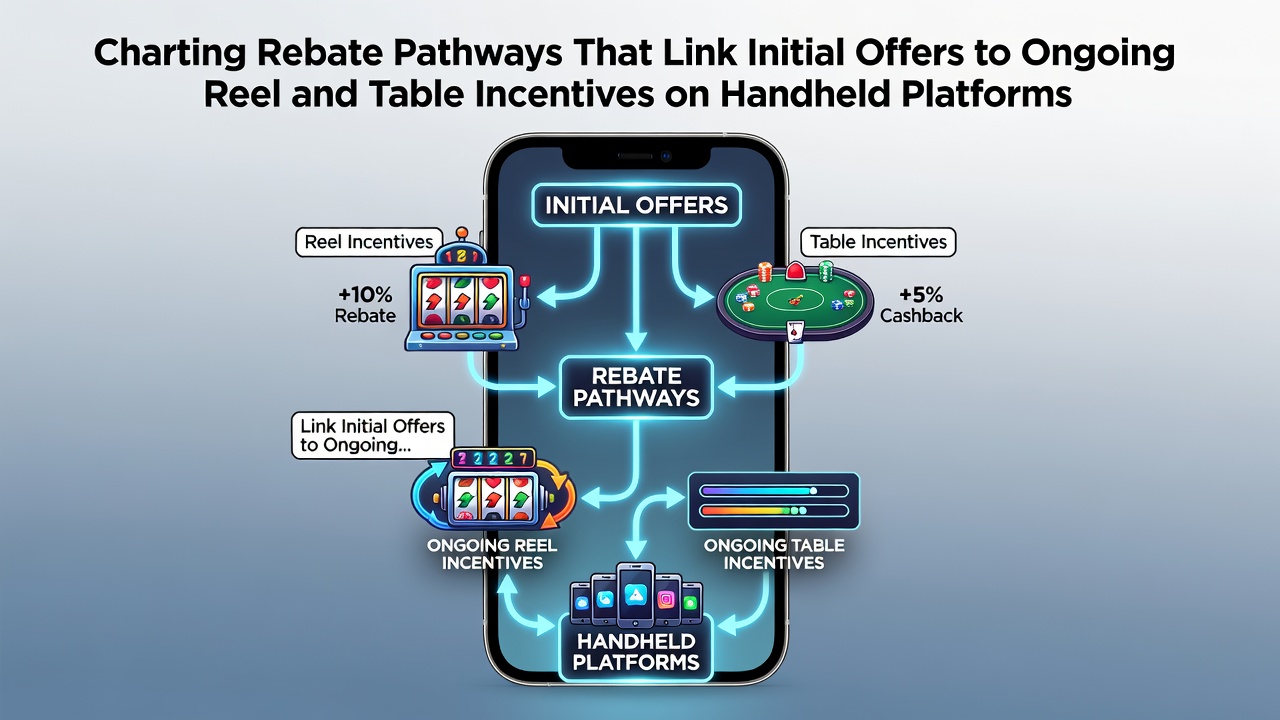
Operators structure initial offers on handheld platforms as entry points that feed directly into layered rebate systems, where welcome packages convert into reload credits and cashback mechanisms for both reel-based slots and live table environments. Data from the American Gaming Association shows that mobile play accounts for over 60 percent of total online wagering volume in regulated markets, with bonus pathways designed to extend session lengths across these formats. Initial deposits often trigger tiered match bonuses that unlock additional free spins on reel games or chip allocations for table variants. These starting incentives carry wagering requirements that, once met, automatically qualify users for follow-on rewards through the same account dashboard. Research from the University of Nevada's gaming studies program indicates that structured pathways increase average play duration by linking the completion of one offer cycle to eligibility for the next. Rebate calculations typically operate on a percentage of net losses or turnover, converting those figures into credits that apply across both reel and table sections. Handheld platforms use unified tracking systems so that progress on slots contributes to table game incentives without requiring separate redemptions. Observers note that this integration keeps activity within a single application rather than fragmenting across multiple apps or desktop versions. **Pathways from Welcome Offers to Reel Incentives**
Mobile reel games receive priority in many rebate flows because of high spin volume and rapid outcome cycles. After an opening bonus activates, operators apply loss rebates at fixed intervals, often daily or weekly, with the percentage scaled according to total staked amounts. One study released by the Canadian Centre on Substance Use and Addiction found that players who follow these chained offers maintain consistent engagement levels even after initial funds deplete. Table game incentives follow similar mechanics but adjust for slower hand speeds and different house edges. Blackjack and roulette sessions accumulate toward cashback thresholds at rates calibrated to average bet sizes, ensuring the pathway remains balanced with reel progress. Platform algorithms monitor combined activity so that a user switching between formats still advances the overall rebate meter. Regulatory shifts scheduled for July 2026 in several jurisdictions will require clearer disclosure of how initial offers transition into recurring incentives, prompting operators to refine their mobile interfaces for transparency. These rules emphasize real-time tracking displays that show remaining wagering progress and upcoming rebate triggers without altering the underlying mathematics of the bonuses. **Sustaining Table Incentives Through Ongoing Rebates**
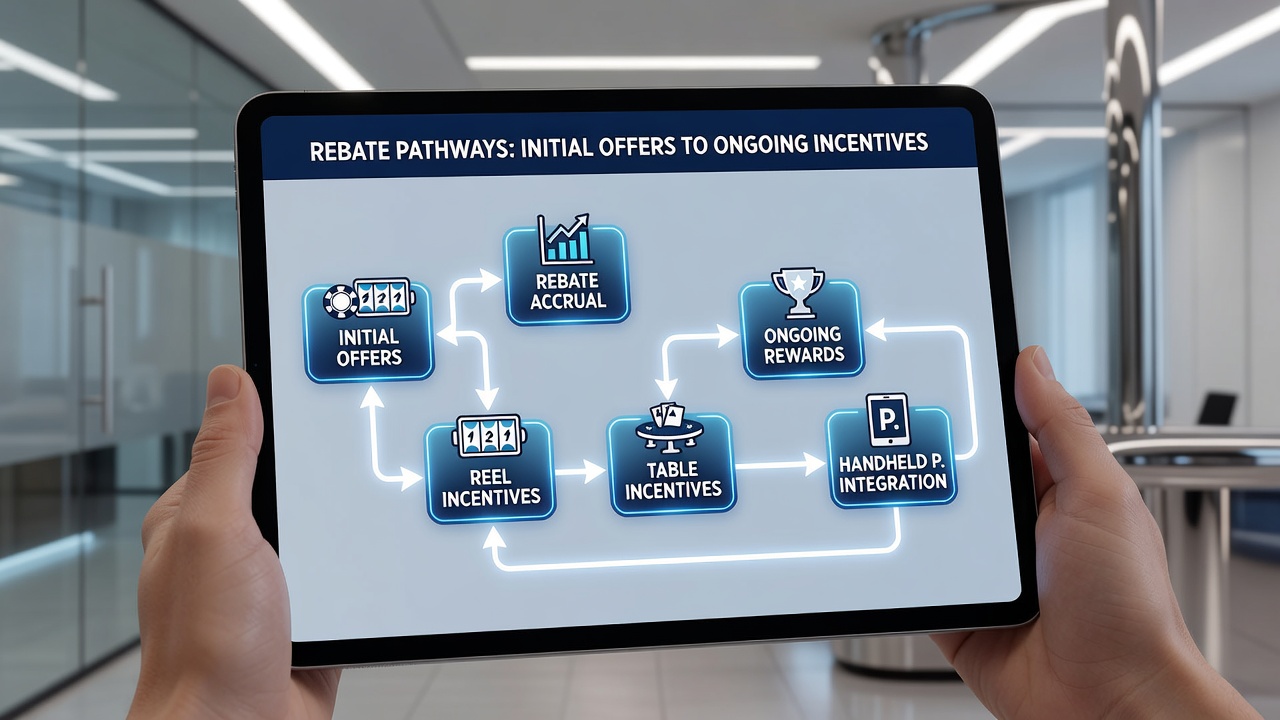 Table incentives on handheld platforms often incorporate live dealer elements that sync with rebate meters in real time. When a player completes the terms of an initial deposit match, the system releases table-specific reloads that carry lower playthrough conditions than the starting offer. This design encourages continued participation in both formats while maintaining the connection between early and later rewards. Figures from the European Gaming and Betting Association reveal that integrated mobile systems achieve higher retention when rebate pathways span multiple game categories rather than isolating slots or tables. Operators achieve this by setting universal loss thresholds that apply across all verticals, allowing table play to offset reel shortfalls and vice versa. And the mechanics extend further through loyalty tiers that accelerate once the first rebate cycle completes. Users who reach these levels receive enhanced percentages on subsequent offers, creating a continuous loop from welcome package to sustained incentives. Platform updates scheduled ahead of the 2026 regulatory deadlines will standardize how these tier advancements appear on smaller screens, reducing navigation friction during active sessions. Those who've examined mobile bonus data across markets observe that handheld platforms increasingly bundle reel and table progress into single progress bars. This approach simplifies the user view while preserving the underlying calculations that link each incentive stage. The result keeps activity concentrated on portable devices rather than pushing users toward desktop alternatives. **Conclusion**
Rebate pathways on handheld platforms function as interconnected sequences that convert initial offers into recurring reel and table incentives through automated tracking and scaled rewards. As operators prepare for July 2026 compliance updates, these systems continue to evolve around unified mobile interfaces that maintain continuity across game types. Data from multiple regulatory and research bodies confirms that such structures support extended engagement when presented with clear, accessible terms on the device itself.
Table incentives on handheld platforms often incorporate live dealer elements that sync with rebate meters in real time. When a player completes the terms of an initial deposit match, the system releases table-specific reloads that carry lower playthrough conditions than the starting offer. This design encourages continued participation in both formats while maintaining the connection between early and later rewards. Figures from the European Gaming and Betting Association reveal that integrated mobile systems achieve higher retention when rebate pathways span multiple game categories rather than isolating slots or tables. Operators achieve this by setting universal loss thresholds that apply across all verticals, allowing table play to offset reel shortfalls and vice versa. And the mechanics extend further through loyalty tiers that accelerate once the first rebate cycle completes. Users who reach these levels receive enhanced percentages on subsequent offers, creating a continuous loop from welcome package to sustained incentives. Platform updates scheduled ahead of the 2026 regulatory deadlines will standardize how these tier advancements appear on smaller screens, reducing navigation friction during active sessions. Those who've examined mobile bonus data across markets observe that handheld platforms increasingly bundle reel and table progress into single progress bars. This approach simplifies the user view while preserving the underlying calculations that link each incentive stage. The result keeps activity concentrated on portable devices rather than pushing users toward desktop alternatives. **Conclusion**
Rebate pathways on handheld platforms function as interconnected sequences that convert initial offers into recurring reel and table incentives through automated tracking and scaled rewards. As operators prepare for July 2026 compliance updates, these systems continue to evolve around unified mobile interfaces that maintain continuity across game types. Data from multiple regulatory and research bodies confirms that such structures support extended engagement when presented with clear, accessible terms on the device itself.
Operators structure initial offers on handheld platforms as entry points that feed directly into layered rebate systems, where welcome packages convert into reload credits and cashback mechanisms for both reel-based slots and live table environments. Data from the American Gaming Association shows that mobile play accounts for over 60 percent of total online wagering volume in regulated markets, with bonus pathways designed to extend session lengths across these formats. Initial deposits often trigger tiered match bonuses that unlock additional free spins on reel games or chip allocations for table variants. These starting incentives carry wagering requirements that, once met, automatically qualify users for follow-on rewards through the same account dashboard. Research from the University of Nevada's gaming studies program indicates that structured pathways increase average play duration by linking the completion of one offer cycle to eligibility for the next. Rebate calculations typically operate on a percentage of net losses or turnover, converting those figures into credits that apply across both reel and table sections. Handheld platforms use unified tracking systems so that progress on slots contributes to table game incentives without requiring separate redemptions. Observers note that this integration keeps activity within a single application rather than fragmenting across multiple apps or desktop versions. **Pathways from Welcome Offers to Reel Incentives**
Mobile reel games receive priority in many rebate flows because of high spin volume and rapid outcome cycles. After an opening bonus activates, operators apply loss rebates at fixed intervals, often daily or weekly, with the percentage scaled according to total staked amounts. One study released by the Canadian Centre on Substance Use and Addiction found that players who follow these chained offers maintain consistent engagement levels even after initial funds deplete. Table game incentives follow similar mechanics but adjust for slower hand speeds and different house edges. Blackjack and roulette sessions accumulate toward cashback thresholds at rates calibrated to average bet sizes, ensuring the pathway remains balanced with reel progress. Platform algorithms monitor combined activity so that a user switching between formats still advances the overall rebate meter. Regulatory shifts scheduled for July 2026 in several jurisdictions will require clearer disclosure of how initial offers transition into recurring incentives, prompting operators to refine their mobile interfaces for transparency. These rules emphasize real-time tracking displays that show remaining wagering progress and upcoming rebate triggers without altering the underlying mathematics of the bonuses. **Sustaining Table Incentives Through Ongoing Rebates**
Table incentives on handheld platforms often incorporate live dealer elements that sync with rebate meters in real time. When a player completes the terms of an initial deposit match, the system releases table-specific reloads that carry lower playthrough conditions than the starting offer. This design encourages continued participation in both formats while maintaining the connection between early and later rewards. Figures from the European Gaming and Betting Association reveal that integrated mobile systems achieve higher retention when rebate pathways span multiple game categories rather than isolating slots or tables. Operators achieve this by setting universal loss thresholds that apply across all verticals, allowing table play to offset reel shortfalls and vice versa. And the mechanics extend further through loyalty tiers that accelerate once the first rebate cycle completes. Users who reach these levels receive enhanced percentages on subsequent offers, creating a continuous loop from welcome package to sustained incentives. Platform updates scheduled ahead of the 2026 regulatory deadlines will standardize how these tier advancements appear on smaller screens, reducing navigation friction during active sessions. Those who've examined mobile bonus data across markets observe that handheld platforms increasingly bundle reel and table progress into single progress bars. This approach simplifies the user view while preserving the underlying calculations that link each incentive stage. The result keeps activity concentrated on portable devices rather than pushing users toward desktop alternatives. **Conclusion**
Rebate pathways on handheld platforms function as interconnected sequences that convert initial offers into recurring reel and table incentives through automated tracking and scaled rewards. As operators prepare for July 2026 compliance updates, these systems continue to evolve around unified mobile interfaces that maintain continuity across game types. Data from multiple regulatory and research bodies confirms that such structures support extended engagement when presented with clear, accessible terms on the device itself.