Charting the Chain from Zero-Commitment Twists to Sustained Rebates Across Portable Dealer Tables
Written by Sam Jung · Jun 21, 2026

Charting the Chain from Zero-Commitment Twists to Sustained Rebates Across Portable Dealer Tables
Portable dealer tables have become central to how operators structure promotional sequences that begin with no-commitment entry points and extend into recurring rebate mechanisms, and data from industry reports shows these chains operate across multiple device formats. Observers note that such sequences typically start with twists on zero-deposit offers, where players access live dealer sessions without initial funding requirements, then progress through layered conditions that convert initial engagement into sustained cashback arrangements.
Initial Entry Mechanisms in Mobile Live Dealer Formats
Research indicates zero-commitment twists often appear as limited-time access codes or instant-activation features that grant short sessions at live tables streamed directly to smartphones and tablets. These entry points allow users to test blackjack, roulette, and baccarat variants without depositing funds first, and figures from the American Gaming Association reveal that adoption rates for such features rose steadily through early 2026 as operators refined mobile interfaces. People who track these patterns find that the twists frequently include time-bound play credits that expire unless players complete specific actions within the session window, creating a controlled pathway toward further participation.
Transition Points from No-Deposit Twists to Deposit-Linked Offers
Once initial access concludes, the chain moves toward deposit-linked stages where operators introduce matched funding or extended credit lines tied to the same live dealer environments. Studies from the University of Nevada Gaming Research Center show that these transitions rely on clear progression rules that activate automatically after the zero-commitment period ends, and players encounter prompts that convert temporary credits into reloadable balances. The process incorporates tracking systems that monitor session length and table selection, which in turn determine eligibility for the next tier of offers without requiring separate registration steps.
Mechanics of Sustained Rebate Programs
Sustained rebates function through percentage-based returns calculated on net losses across portable dealer tables, and these systems activate after players reach defined activity thresholds within weekly or monthly cycles. According to reports compiled by the European Gaming and Betting Association, rebate structures commonly range between 5 and 15 percent depending on game type and total volume, with live dealer sessions often carrying higher percentages because of elevated operational costs. The rebates apply automatically to accounts linked to mobile platforms, and operators integrate them with existing loyalty tracking so that players receive periodic credits without manual claims.
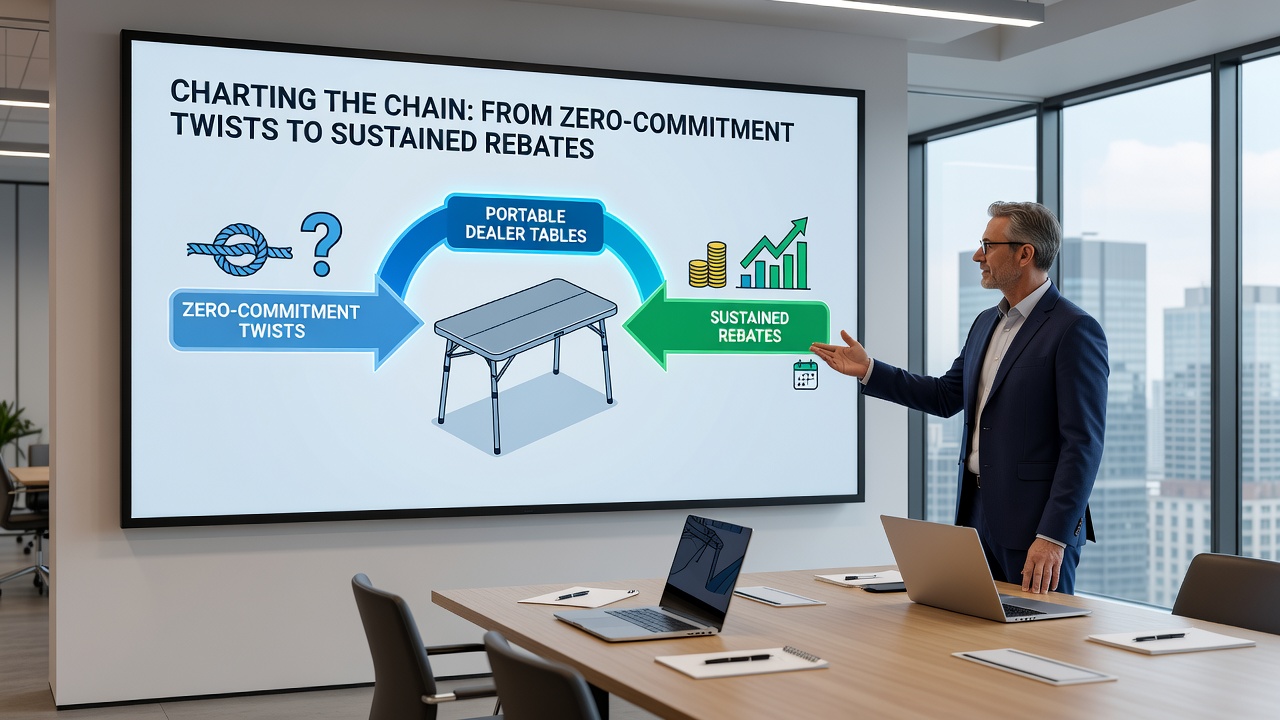
What's interesting here is how the rebate layer connects backward to the original zero-commitment twist through shared account identifiers, which means early session data influences later cashback calculations. Data shows that operators adjust rebate percentages dynamically based on player retention metrics collected from portable sessions, and this adjustment occurs in real time during June 2026 updates to mobile software platforms.
Integration Across Device Portability and Regulatory Contexts
Portable dealer tables require seamless handoffs between initial twists and ongoing rebates because users switch between phones, tablets, and hybrid devices during single sessions. Industry observers report that backend systems synchronize these transitions so that rebate eligibility remains consistent regardless of the access point chosen. In June 2026 several jurisdictions began requiring clearer disclosure of how zero-commitment offers feed into rebate calculations, and operators responded by embedding explanatory text directly within the mobile interface rather than directing users to separate policy pages.
External regulatory bodies in North America and Europe have examined these chains to ensure they do not create unintended escalation patterns, and findings from the National Council on Problem Gambling indicate that transparent tracking tools help users monitor their progression through each stage. The systems record every conversion point from twist to rebate, which allows both players and oversight agencies to review the full sequence when needed.
Conclusion
The chain from zero-commitment twists to sustained rebates across portable dealer tables operates through sequenced activation rules that link early access to long-term return mechanisms. Evidence from multiple regulatory and research sources demonstrates that these structures rely on automated tracking, device synchronization, and periodic adjustments to maintain continuity. Operators continue to refine the connections between stages as mobile technology and oversight requirements evolve in 2026.