Decoding Reward Networks Connecting Onboarding Advantages to Repeat Benefits in Mobile Amusement Applications
Written by Mia Beck · Jul 3, 2026
Decoding Reward Networks Connecting Onboarding Advantages to Repeat Benefits in Mobile Amusement Applications
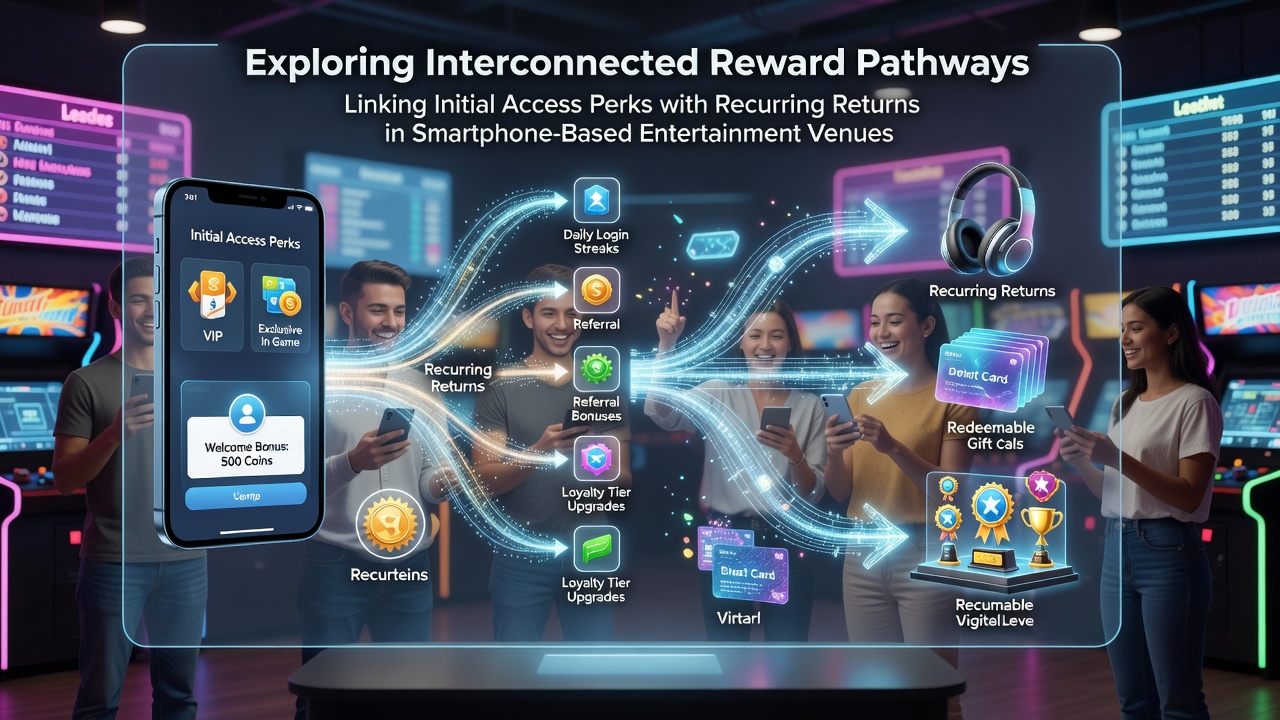
Smartphone-based entertainment venues have developed intricate systems where initial access perks transition directly into recurring returns, creating pathways that link one-time onboarding incentives to ongoing player engagement mechanisms. These networks operate through structured sequences that start with welcome packages and extend into loyalty frameworks, cashback structures, and reload mechanisms that maintain activity levels across extended periods. Observers note how app developers integrate these elements so users encounter seamless shifts from entry-level rewards to sustained benefit streams without abrupt interruptions in the experience flow.
Mapping the Structure of Entry-Level Incentives
Initial access perks typically encompass deposit matches, complimentary spins, and account activation credits that appear immediately upon registration or first funding actions, and these elements serve as gateways that introduce users to core platform features while establishing behavioral patterns. Data from industry analyses shows such perks often carry specific activation requirements like minimum deposits or game selections, yet they feed into broader systems where usage metrics influence eligibility for later-stage returns. Researchers at institutions such as the University of Nevada have documented how these early incentives correlate with retention rates when paired with transparent terms that clarify progression routes toward recurring benefits.
Those who study mobile platform dynamics point out that the design frequently incorporates tiered access where basic perks unlock intermediate stages, and this layering ensures participants move through defined sequences rather than encountering isolated offers. External regulatory frameworks in regions like Ontario through the Alcohol and Gaming Commission of Ontario have examined these structures to assess fairness in how initial rewards connect to subsequent opportunities.
Transition Mechanisms to Ongoing Return Streams
Recurring returns emerge through features such as periodic cashback percentages, loyalty point accumulations, and reload bonuses that activate based on play volume or frequency, and these components link back to initial perks via shared tracking systems that monitor cumulative activity. The pathways become evident when users complete onboarding tasks and automatically qualify for ongoing programs that deliver weekly or monthly adjustments tied to prior engagement levels. Evidence suggests that platforms employing unified tracking see higher continuity because the same metrics used for welcome fulfillment continue to determine later allocations without requiring separate registrations.
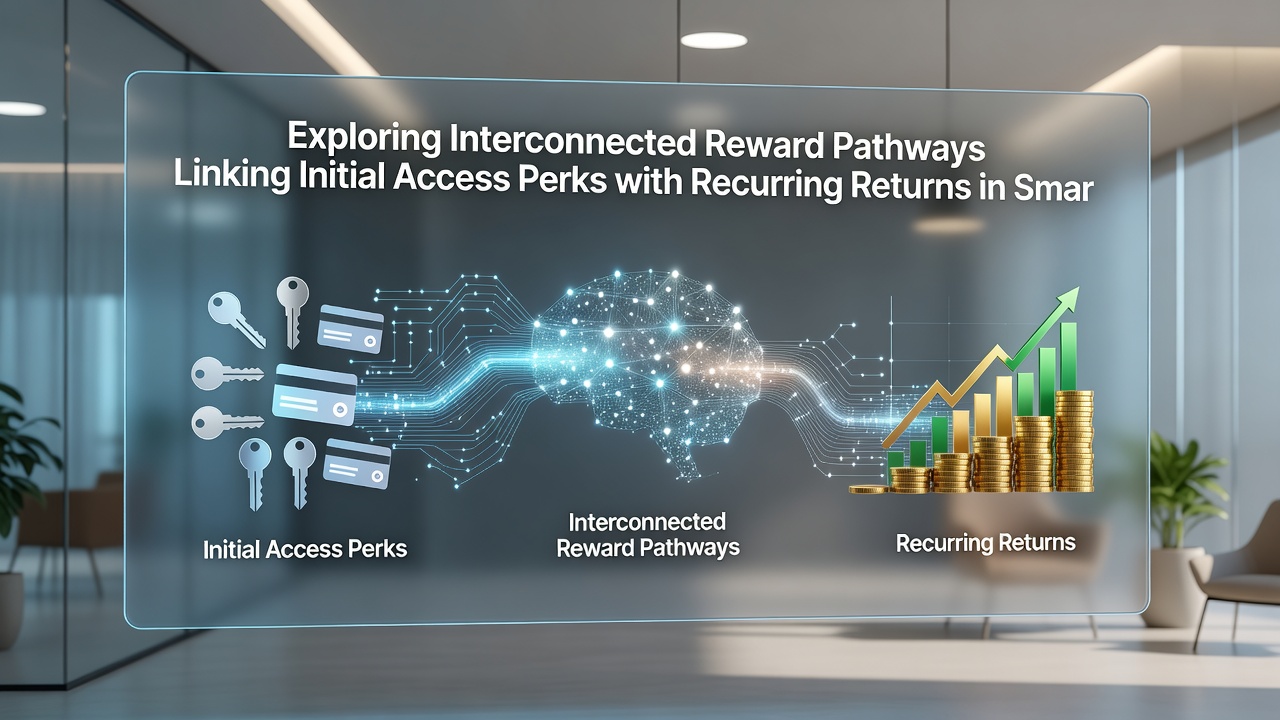
What's interesting is how certain applications embed conditional triggers where initial perk redemptions contribute directly to loyalty tier progression, and this integration reduces friction while extending session potential. Reports from Australian gambling research centers indicate that such interconnected designs appear across multiple jurisdictions, with variations in payout frequencies and percentage rates yet consistent emphasis on pathway continuity from entry points onward.
Technical Implementation in App Environments
Developers utilize backend algorithms that synchronize perk fulfillment data with return calculation engines, and these systems rely on real-time updates to reflect user actions across both initial and recurring categories. Smartphone interfaces present these connections through progress bars, notification sequences, and dashboard summaries that display how early incentives have influenced current return eligibility. Observers have recorded instances where platforms introduce visual pathway indicators that map completed steps to upcoming reward releases, thereby reinforcing the linkage in user perception.
Integration extends to payment processing modules where deposit histories from onboarding phases automatically inform cashback eligibility windows, and this automation minimizes manual intervention while maintaining consistent return schedules. Studies conducted by academic groups in Canada have explored the data flows involved, noting that secure encryption standards protect the interconnected datasets throughout the transition process.
Regional Variations in Pathway Design
Platforms operating across different markets adjust the balance between initial perks and recurring returns according to local compliance requirements, yet the core linkage remains a common architectural feature. In some areas emphasis falls on shorter progression intervals between onboarding and first recurring cycles, whereas others extend the timeline to accommodate larger cumulative tracking periods. Figures from international trade associations reveal that these adaptations still preserve the fundamental flow where early access elements feed measurable data into ongoing return computations.
Conclusion
The exploration of these interconnected reward pathways reveals systematic designs that align initial access perks with recurring returns through shared tracking, automated transitions, and tiered eligibility structures within smartphone-based entertainment venues. Data continues to accumulate from multiple regions showing consistent patterns in how these networks operate, and further examination by regulatory bodies and research institutions will likely refine understanding of their operational parameters as platforms evolve through 2026 and beyond.