Exploring Incentive Structures in Mobile Gaming and Live Dealer Environments
Written by Theo Wolf · Jul 14, 2026
Exploring Incentive Structures in Mobile Gaming and Live Dealer Environments
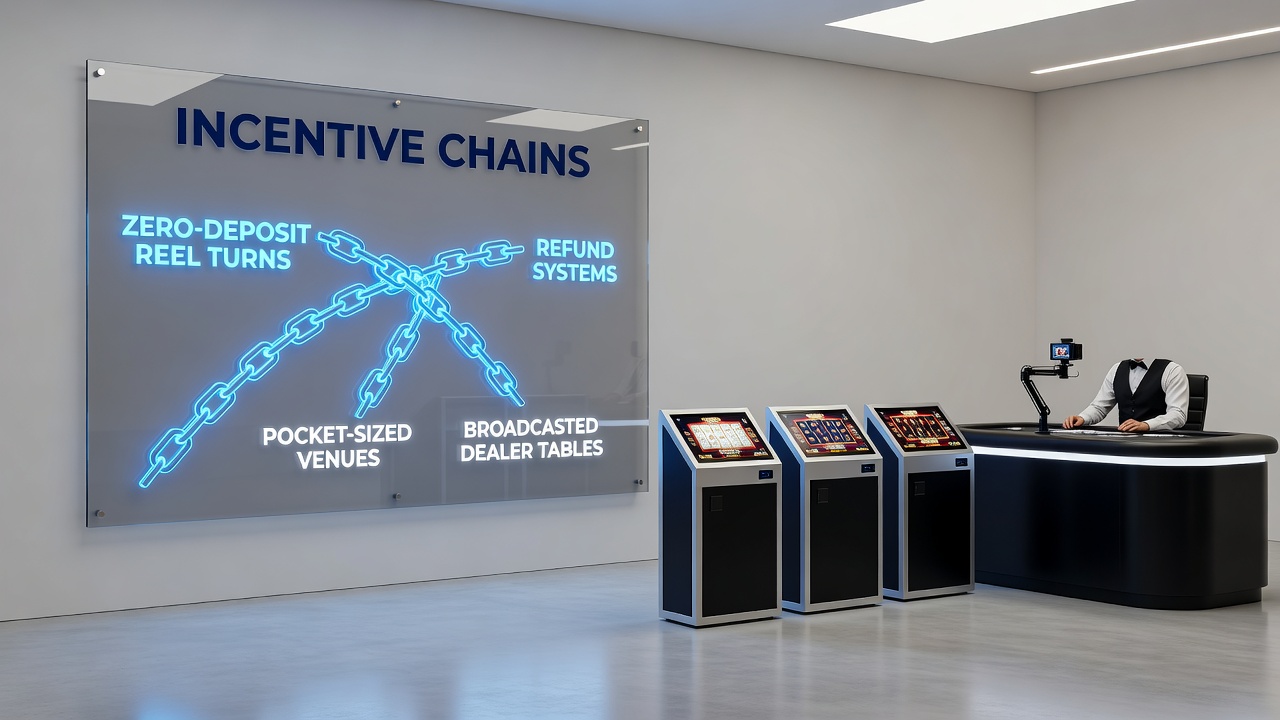
Operators structure incentive chains that connect zero-deposit reel turns directly to refund systems across pocket-sized venues and broadcasted dealer tables, creating sequences where initial free access leads to ongoing play rewards. These pathways operate through defined mechanics that players encounter when accessing mobile platforms or live dealer streams, with each stage building eligibility for the next layer of benefits.
Zero-Deposit Reel Turns as Entry Points
Zero-deposit reel turns function as the starting link in many incentive chains, allowing access to slot machines without an initial financial commitment. Data from regulatory filings indicate that these offers typically require account registration and verification before credits activate, after which players complete a set number of spins on designated titles. The structure ensures that any winnings from these turns convert into playable balances subject to wagering requirements, setting the foundation for progression toward additional incentives.
Research from industry reports shows that such entry mechanisms appear frequently in mobile environments where device compatibility drives higher engagement rates. Observers note that operators track completion rates of these initial spins to determine eligibility for subsequent offers, creating a measurable flow from the first interaction to later stages.
Transition Mechanisms to Refund Systems
Refund systems activate once players meet thresholds established during the zero-deposit phase, converting participation into cashback percentages on net losses. These systems calculate refunds based on activity across both reel-based games in pocket-sized venues and table games in broadcasted dealer environments, with percentages often ranging from five to twenty percent depending on volume. The chain completes when refunds credit back to player accounts, sometimes with their own wagering conditions attached.
Figures reveal that operators implement tiered structures where higher activity levels unlock improved refund rates, encouraging continued engagement after the initial free spins conclude. This progression appears in both standalone mobile applications and integrated live dealer platforms, where broadcast feeds allow seamless switching between game types without resetting progress trackers.
Application in Pocket-Sized Venues
Pocket-sized venues rely on mobile-optimized software to deliver these chained incentives through compact interfaces that maintain full functionality. Players access zero-deposit offers via push notifications or in-app banners, then transition to refund calculations tracked in real time within the same application. Device data indicates that session lengths extend when refund systems activate mid-play, as users monitor loss recovery metrics directly on screen.
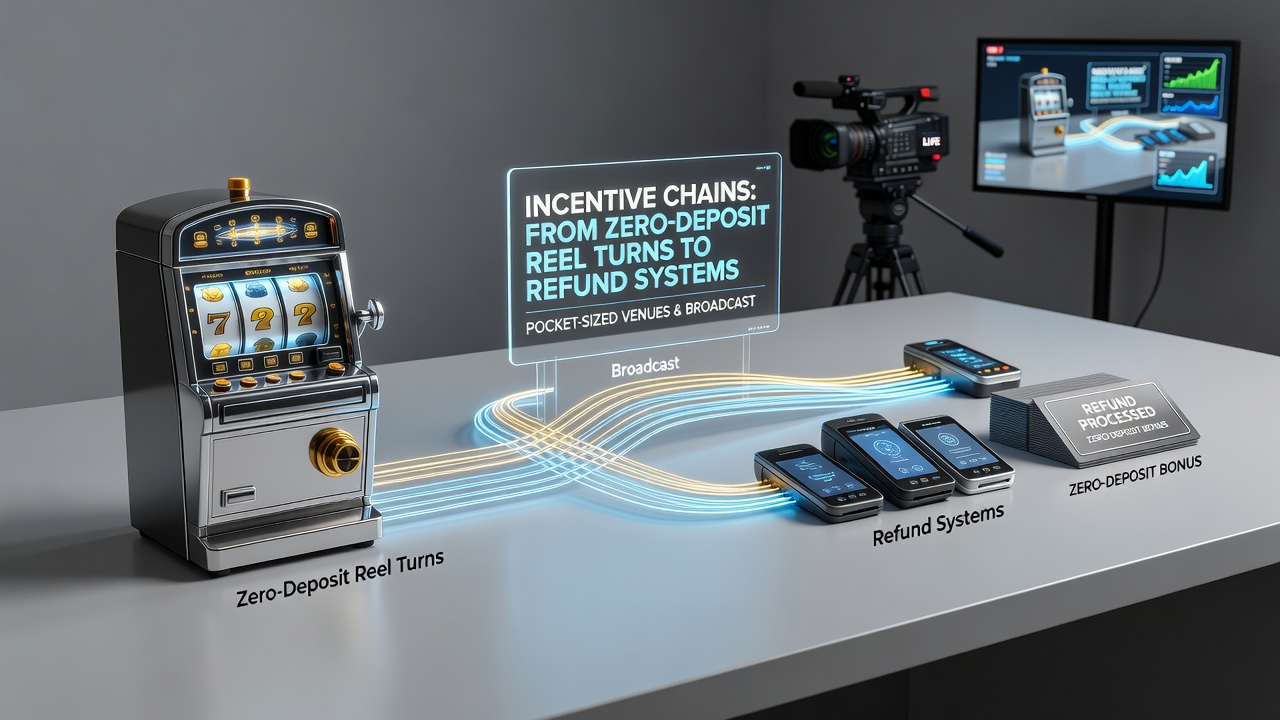
Operators update these systems to align with hardware advancements, ensuring compatibility across operating systems while preserving the incentive sequence integrity. Studies from gaming technology firms document that mobile-specific promotions achieve higher conversion rates from free spins to cashback claims compared with desktop counterparts.
Integration with Broadcasted Dealer Tables
Broadcasted dealer tables incorporate the same incentive chains through live streams that display real-time qualification for refunds alongside game outcomes. Participants who begin with zero-deposit reel turns on mobile devices often continue into these environments, where table minimums and maximums adjust to accommodate balances derived from earlier free play. Regulatory documentation from multiple jurisdictions confirms that live dealer platforms must maintain separate tracking for incentive eligibility to prevent overlap violations.
What's interesting is how operators synchronize broadcast feeds with mobile accounts, allowing players to carry progress across formats without manual intervention. This synchronization supports longer engagement periods as refund systems apply uniformly to both virtual reels and physical table results captured on camera.
Regulatory Context Around July 2026
Changes scheduled for July 2026 introduce stricter compliance standards for gaming equipment in various markets, requiring operators to verify that incentive delivery mechanisms meet updated technical specifications. These adjustments affect how zero-deposit offers and refund systems calculate and display eligibility, particularly in mobile and live dealer settings where real-time updates occur frequently. Industry associations report that preparation for these standards involves auditing chain sequences to ensure transparency in terms presentation.
Evidence from compliance filings demonstrates that operators in affected regions test updated software versions months in advance, focusing on seamless transitions between incentive stages while adhering to new display requirements for wagering conditions and refund formulas.
Conclusion
Incentive chains that link zero-deposit reel turns to refund systems continue to evolve within pocket-sized venues and broadcasted dealer tables as operators refine tracking methods and adapt to equipment standards. Data across platforms shows consistent patterns where initial access points feed into sustained reward structures, supporting player retention through defined progression steps. Regulatory developments scheduled for 2026 will further shape how these sequences operate, requiring precise alignment between mobile interfaces and live dealer broadcasts to maintain compliance across jurisdictions.