Layered Incentive Approaches Extending Session Durations in Mobile Gaming Environments
Written by Sam Jung · Jun 7, 2026
Layered Incentive Approaches Extending Session Durations in Mobile Gaming Environments
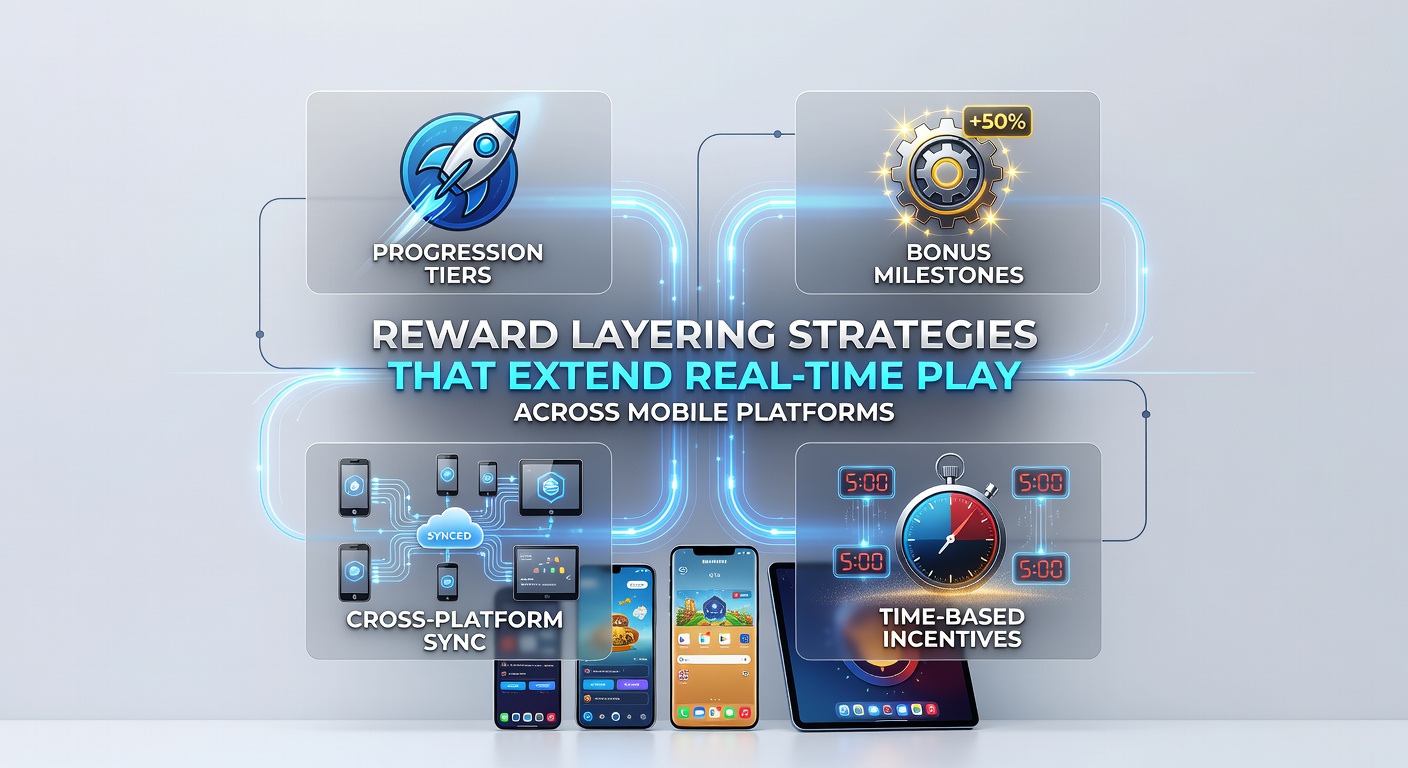
Platform developers have refined layered incentive models that combine multiple reward types to maintain continuous real-time engagement on mobile devices, and these systems operate by sequencing initial sign-up credits with subsequent achievement-based unlocks while integrating time-sensitive multipliers that activate during live sessions. Data from industry analyses indicate that such combinations encourage players to transition smoothly between different game modes without interrupting the flow of activity.
Core Components of Layered Reward Systems
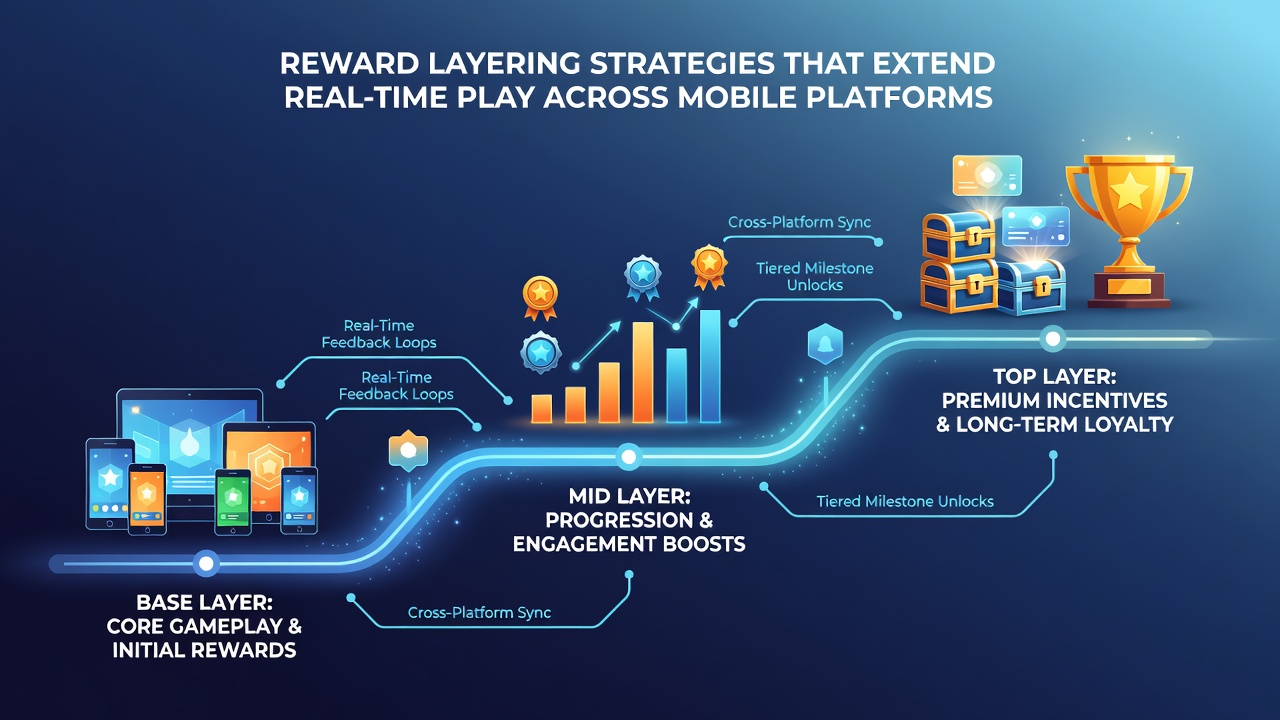
Base-layer rewards typically consist of entry-level credits or free rounds delivered immediately upon account creation, and these feed into secondary layers that unlock through consistent activity metrics such as completed rounds or consecutive logins. Mid-tier elements often incorporate reload mechanisms tied to deposit patterns, whereas upper layers introduce cashback percentages calculated on net losses over defined intervals, creating a cumulative effect that sustains longer periods of active play across both iOS and Android environments.
Cross-platform synchronization ensures that progress achieved on one device carries forward when users switch to another, and this continuity relies on cloud-based tracking systems that update in real time. Observers note that developers have implemented these features to address varying screen sizes and input methods while preserving the same reward progression logic.
Technical Integration Across Mobile Ecosystems
Application programming interfaces connect reward databases with game servers so that achievements registered during live dealer interactions or slot sequences trigger the next incentive tier automatically. In June 2026 several major platforms introduced enhanced API protocols that reduced latency in reward delivery, allowing players to see updated balances within seconds of completing qualifying actions.
Security protocols verify each layer activation through device fingerprinting and account authentication steps, which helps prevent duplicate claims while supporting seamless movement between portrait and landscape modes. Research from academic institutions shows that these technical safeguards correlate with higher retention rates when users engage across multiple sessions in a single day.
Regional Regulatory Frameworks Influencing Implementation
Operators must align layered reward structures with local requirements, and authorities in New Jersey have published guidelines that specify maximum values for combined incentives offered within a 24-hour window. Similar parameters appear in reports issued by the Australian Communications and Media Authority, where emphasis falls on transparent display of terms before any reward activates.
These frameworks require clear disclosure of wagering contributions from each reward layer, and compliance teams routinely audit progression algorithms to confirm that no single incentive dominates the overall structure. Figures released by the American Gaming Association reveal steady growth in cross-device play volumes during periods when layered systems receive regulatory approval.
Player Behavior Patterns and Session Metrics
Telemetry collected from mobile applications shows that users who engage multiple reward layers tend to maintain active connections for extended intervals compared with those accessing single-tier offers. Patterns indicate increased transitions between game categories once secondary and tertiary rewards become available, and this movement occurs without requiring additional deposits in many documented cases.
Platform analytics further demonstrate that evening hours see the highest layering activity, with users combining daily login bonuses and live-event multipliers to prolong participation. Data collected through university-led studies on digital entertainment habits confirm that these behaviors appear consistently across different age groups and geographic regions.
Future Developments in Reward Layering
Developers continue to explore integration with emerging technologies such as augmented overlays that display pending reward tiers during active rounds, and testing phases scheduled for late 2026 aim to refine these visual cues without disrupting gameplay pacing. Partnerships between software providers and hardware manufacturers focus on optimizing battery and data usage when multiple layers process simultaneously.
Industry organizations including the European Gaming and Betting Association have begun compiling comparative data on how different layering configurations affect session lengths across European and North American markets. These reports supply operators with benchmarks for adjusting reward values while remaining within permitted parameters.
Conclusion
Layered incentive models have become a standard feature in mobile gaming infrastructure, supported by synchronized tracking systems and region-specific compliance measures that together enable extended real-time participation. Continued refinement of these approaches, particularly around technical delivery and regulatory alignment, positions them as central elements in the ongoing evolution of cross-platform entertainment.