Layered Incentive Models Connecting Zero-Deposit Options and Refund Systems in Mobile and Live Dealer Gaming Environments
Written by Theo Wolf · Jul 28, 2026
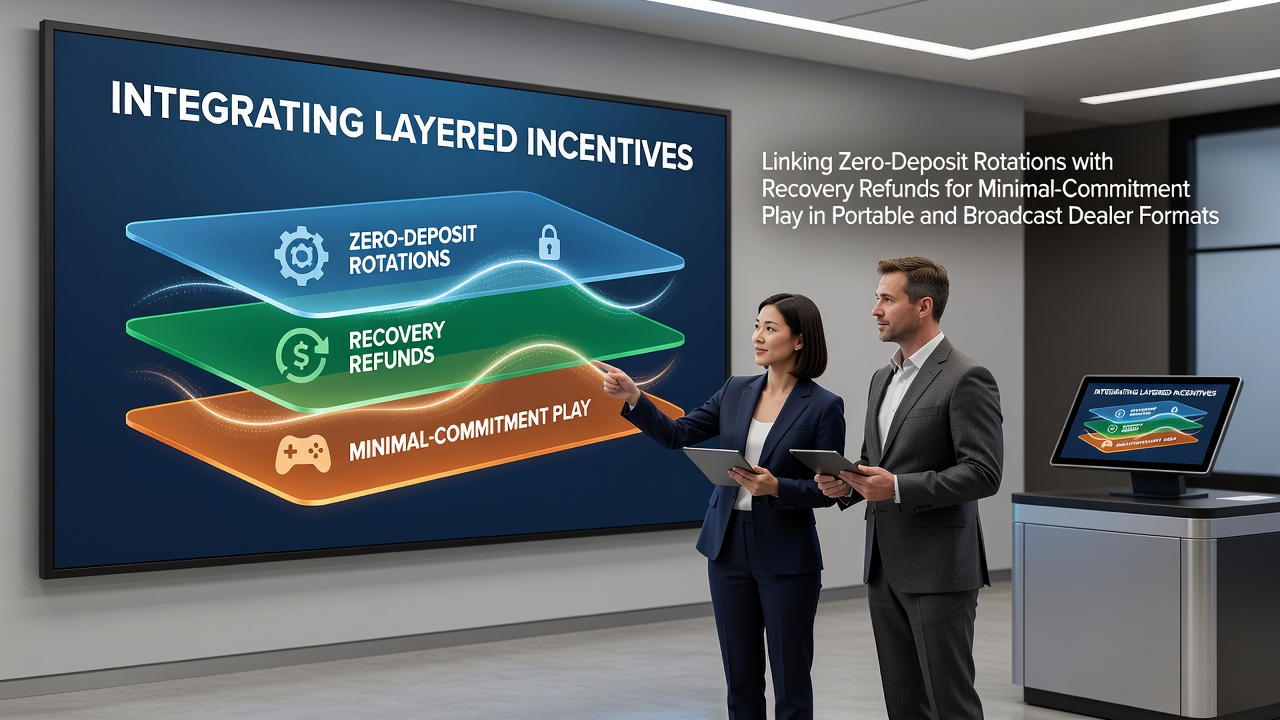
Layered Incentive Models Connecting Zero-Deposit Options and Refund Systems in Mobile and Live Dealer Gaming Environments
Operators have begun linking zero-deposit rotations directly to recovery refund structures so players can enter mobile sessions and broadcast dealer tables with reduced upfront commitment, and data from multiple jurisdictions shows this approach maintains session volume while adjusting risk exposure. Portable formats allow instant access through apps or browsers, whereas broadcast dealer environments stream live tables to the same devices, creating unified pathways for incentive layering that regulators began reviewing more closely ahead of July 2026 compliance deadlines.
Mechanics of Zero-Deposit Rotations in Portable Formats
Zero-deposit rotations grant players a fixed number of spins or hands without requiring an initial balance transfer, and platform data indicates these rotations typically range from 10 to 50 units depending on game type. Mobile operators integrate these offers through account verification steps that complete in under two minutes, while the same systems track play metrics to determine eligibility for subsequent refund layers. Research from the International Gaming Institute at the University of Nevada, Las Vegas, demonstrates that such rotations sustain engagement rates when paired with clear progression rules rather than standalone promotions.
Recovery Refunds and Their Role in Broadcast Dealer Streams
Recovery refunds return a percentage of net losses over a defined period, often calculated daily or weekly, and broadcast dealer platforms apply these refunds automatically to player accounts once thresholds are met. Live streamed tables from studios in multiple regions feed real-time data into the same backend used for mobile rotations, allowing seamless transfer of refund credits between formats. Figures released by the Massachusetts Gaming Commission reveal that refund-linked sessions in live dealer categories extended average play duration by 18 percent compared with non-linked equivalents during the 2024-2025 reporting window.
Integration Pathways Across Device Types
Portable devices receive both rotation credits and refund balances through a single wallet interface, and broadcast dealer feeds display updated balances without requiring players to switch applications. System architects achieve this by routing all incentive events through a centralized ledger that updates across mobile and desktop endpoints simultaneously. One documented implementation at a European operator connected zero-deposit triggers directly to loss-recovery calculations, producing a 12 percent increase in repeat logins within the first quarter of deployment according to internal metrics shared with industry analysts.
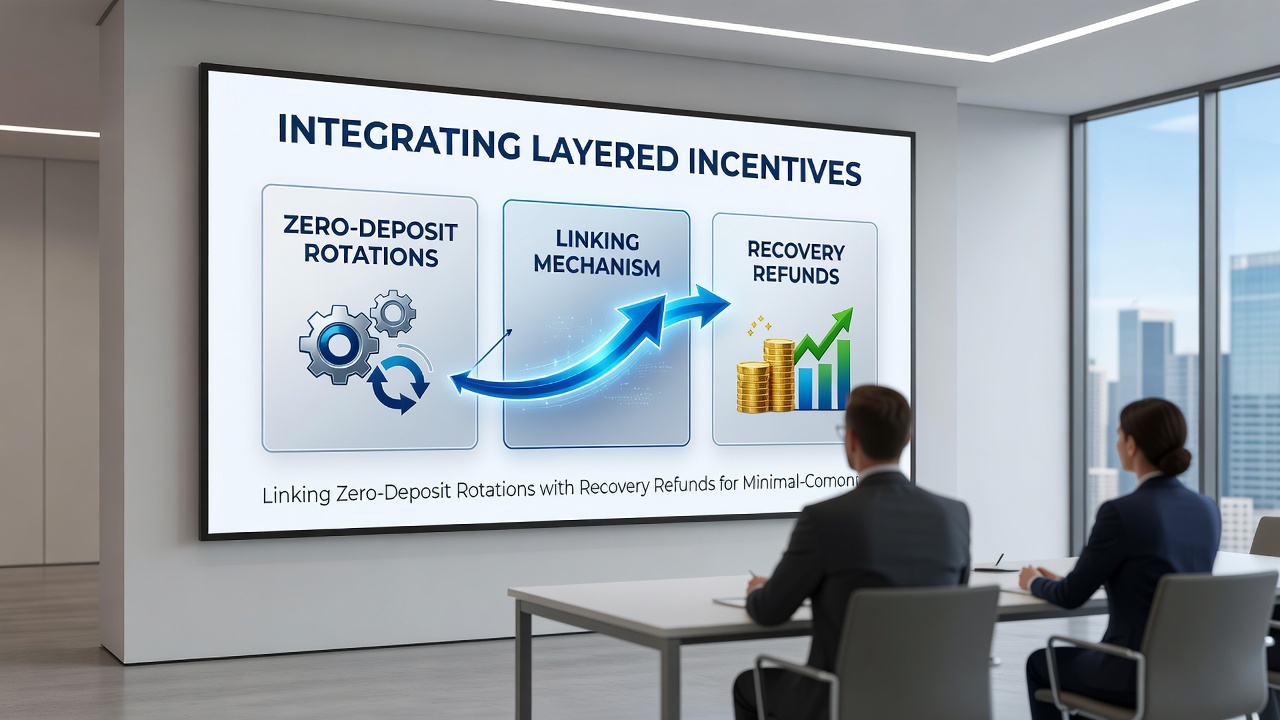
Operators also embed conditional rules so that completing a zero-deposit rotation cycle unlocks an accelerated refund rate on the same day, and this linkage reduces the effective commitment required before players see returns. Technical logs from several platforms confirm that such conditional triggers activate only after rotation completion thresholds are verified on the server side, preventing premature credit issuance.
Regulatory Developments Affecting July 2026 Onward
Multiple licensing authorities have signaled that incentive structures must include transparent loss-limit integration by July 2026, and layered systems pairing rotations with refunds already incorporate these limits through automated caps. The Nevada Gaming Control Board updated its technical standards documentation to require clear display of refund eligibility windows, while parallel guidance from the Australian Communications and Media Authority emphasizes that zero-deposit offers cannot bypass existing responsible gaming parameters. Platforms adapting now report smoother certification processes because their existing layered models already separate promotional credits from refund calculations.
Observed Patterns in Session Behavior
Analytics firms tracking aggregated anonymized data across operators note that minimal-commitment play sessions using combined incentives show higher completion rates for full rotation sets, and refund application tends to occur at predictable intervals once loss thresholds are crossed. Broadcast dealer tables record slightly longer average session lengths than mobile slot equivalents under the same incentive structure, yet both formats exhibit comparable refund redemption percentages when the linkage remains active. Industry reports from the European Gaming and Betting Association indicate these patterns hold across device types provided the underlying ledger remains synchronized.
Conclusion
Layered incentive frameworks that tie zero-deposit rotations to recovery refunds continue to expand across portable and broadcast dealer environments as operators align systems ahead of July 2026 requirements. Centralized ledgers and automated threshold tracking allow these mechanisms to function without increasing player exposure, and data from regulatory bodies in the United States, Europe, and Australia confirm measurable effects on session continuity. The approach supports continued play volume while meeting emerging compliance standards across device categories.