Mapping the Journey of Spins and Returns in Low-Commitment Mobile Table Games
Written by Mia Beck · May 24, 2026
Mapping the Journey of Spins and Returns in Low-Commitment Mobile Table Games
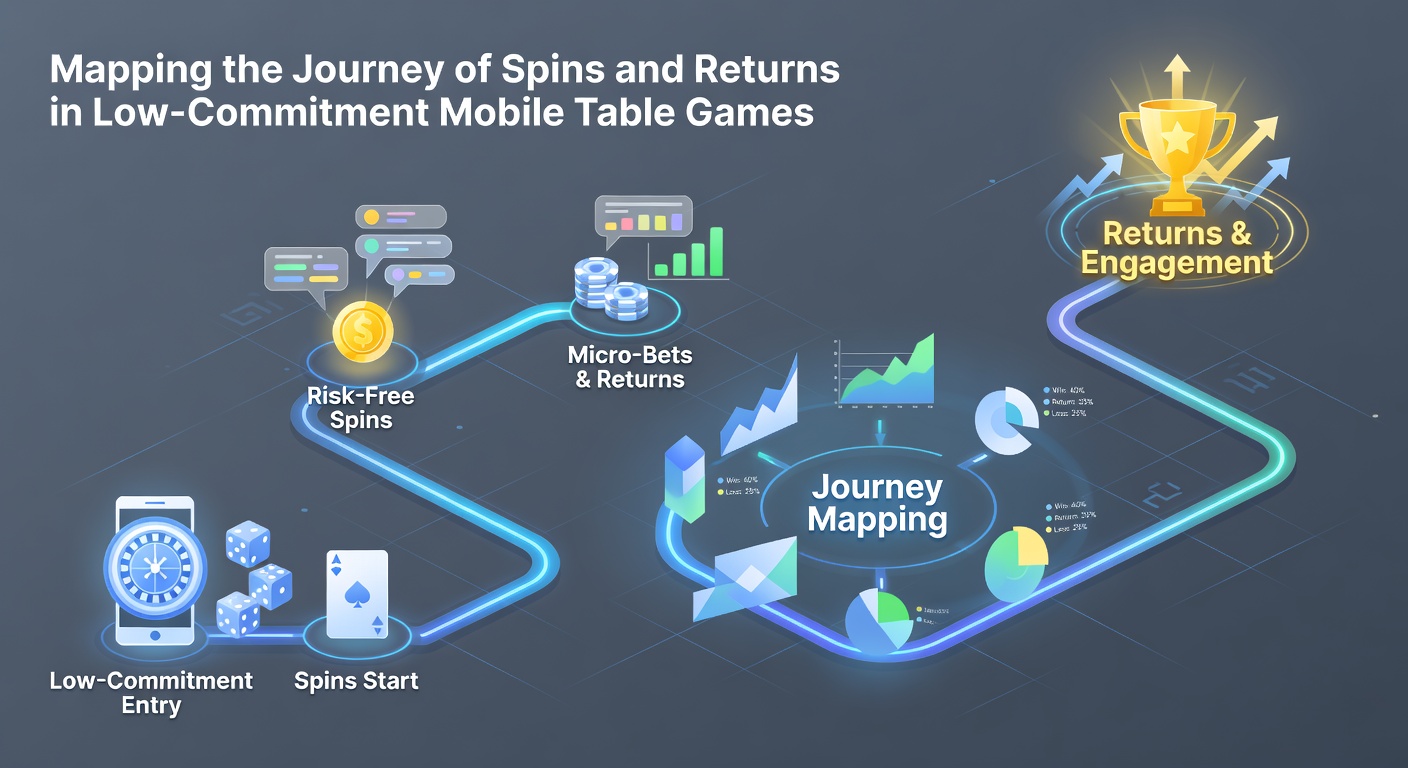
Players often begin their experience with low-commitment mobile table games through simple downloads that require minimal initial deposits, and these platforms integrate spin features alongside core table elements such as roulette wheels or card shuffles to guide progression from entry-level sessions to extended play cycles. Data from industry reports shows that such games maintain average return-to-player rates between 95 and 98 percent while keeping stake limits under five dollars per round, which allows users to map their individual journeys without substantial financial exposure.
Initial Engagement and Spin Mechanics
Users typically launch these applications on smartphones or tablets, where developers embed spin triggers that activate bonus rounds or multiplier effects during table gameplay, and this design connects casual spins directly to return calculations that display updated balances in real time. Research indicates that spin frequency increases when games pair low-stakes table rounds with free spin allocations, since players receive between ten and fifty complimentary spins upon reaching daily login milestones or completing tutorial sequences.
Mechanics rely on random number generators certified by testing laboratories, while return tracking occurs through session logs that record each spin outcome alongside table hand results. Observers note that mobile interfaces present these metrics in dashboard formats, enabling users to review win rates, loss sequences, and cumulative returns without leaving the application.
Progression Through Returns and Session Mapping
As sessions advance, the journey shifts toward return optimization where players adjust bet sizes within narrow ranges to test different spin combinations against table probabilities. Studies from academic sources reveal that participants who monitor return percentages over multiple sessions achieve steadier balance retention compared to those who ignore the displayed statistics.
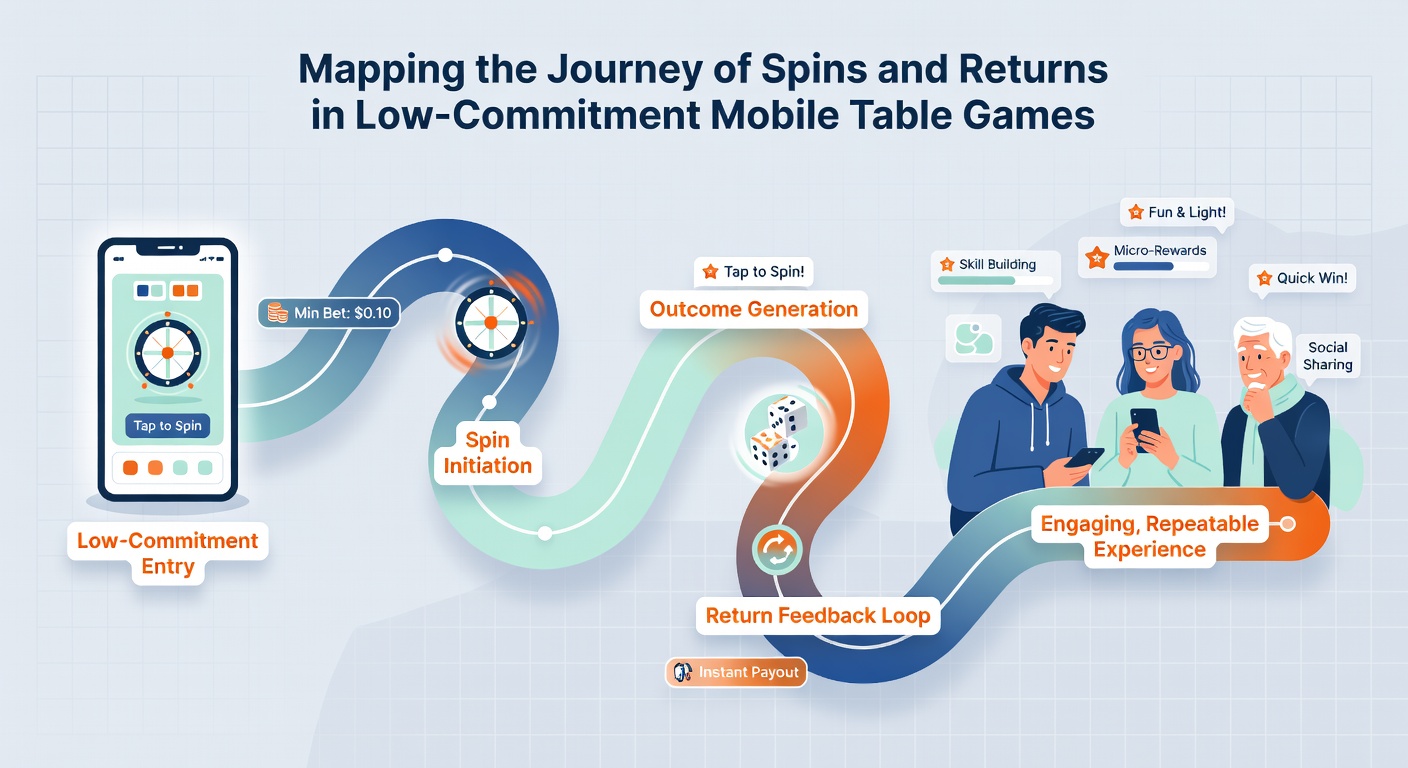
Platforms update these analytics in May 2026 with enhanced visualization tools that overlay historical spin data onto current table sessions, and this integration helps users identify patterns such as clusters of high-return spins following specific card outcomes. Figures from gaming associations across North America demonstrate that session lengths extend by an average of eighteen minutes when return tracking features remain visible throughout play.
Regional Variations and Data Patterns
European markets show higher adoption of low-commitment table games that combine spins with blackjack variants, whereas North American operators emphasize roulette-based spin mechanics tied to progressive return meters. A report issued by the New Jersey Division of Gaming Enforcement highlights that mobile table game returns averaged 96.4 percent during the first quarter of 2026, with spin-triggered bonuses contributing approximately twelve percent of total player credits distributed.
Users in Australia encounter similar structures through apps regulated under state frameworks, and these versions incorporate mandatory return disclosures that appear after every twenty spins. Industry organizations such as the Gaming Association of Australia publish quarterly summaries that track how return mapping influences player retention across different commitment levels.
Technical Infrastructure Supporting the Journey
Backend systems process each spin through secure servers that log outcomes instantaneously, while mobile clients sync return data across devices to maintain continuity when users switch between phones and tablets. This infrastructure ensures that cumulative returns reflect both spin events and table results without discrepancies, and developers continue to refine latency reductions that keep mapping tools responsive even during peak traffic periods.
Security protocols encrypt transaction histories that accompany return calculations, and certification bodies verify that spin algorithms remain independent from table randomization processes. Observers note that these separations preserve game integrity while allowing seamless transitions between spin bonuses and standard table rounds.
Conclusion
The journey through spins and returns in low-commitment mobile table games follows a structured path that begins with accessible entry points and evolves through detailed tracking mechanisms that inform ongoing decisions. Data patterns from multiple regions confirm that integrated spin features and transparent return displays support extended yet controlled play cycles. As platforms incorporate updates scheduled for May 2026, users gain additional tools to map their progress with greater precision across varied table formats.