Mapping the Progression from No-Deposit Spins to Recurring Cashbacks in Mobile Slot and Live Dealer Systems
Written by Anna Powell · Aug 7, 2026
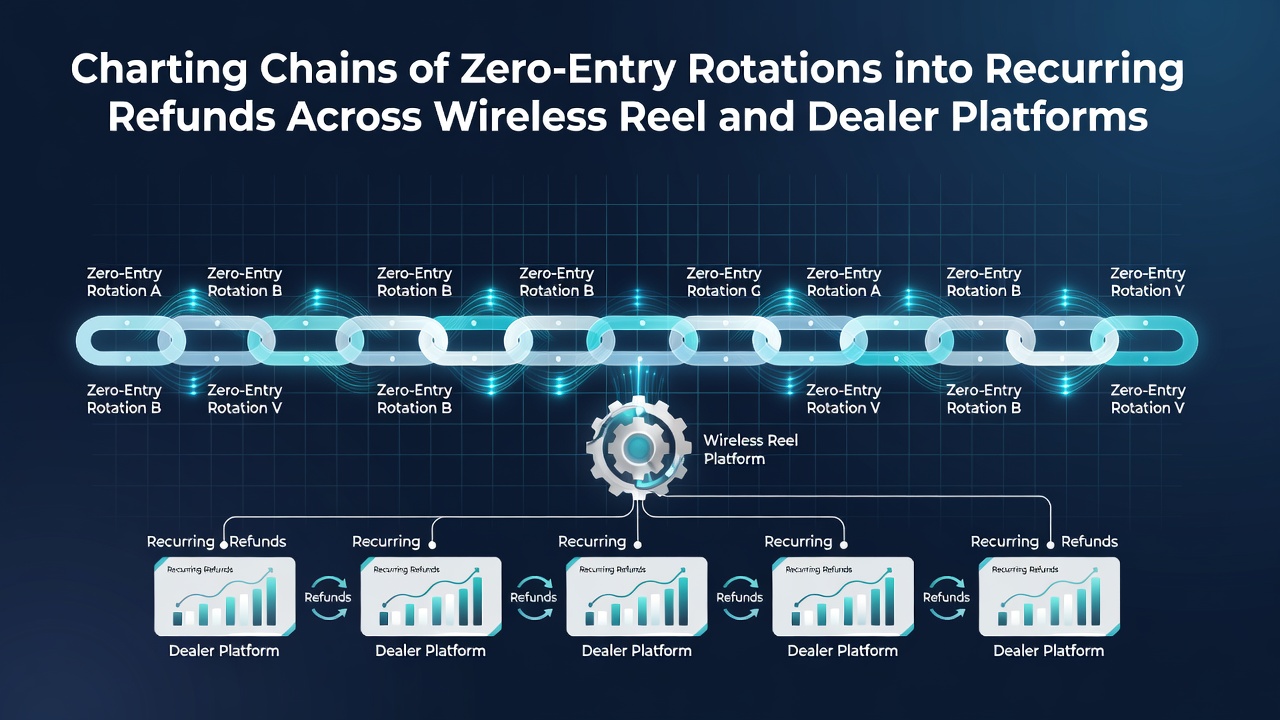
Mapping the Progression from No-Deposit Spins to Recurring Cashbacks in Mobile Slot and Live Dealer Systems
Industry observers have documented how sequences of zero-entry rotations transition into recurring refunds across wireless reel and dealer platforms, with data from multiple jurisdictions showing structured pathways that connect initial free spins to ongoing cashback mechanisms. Research indicates these chains operate through defined eligibility rules and tracking systems that apply equally to mobile slots and live dealer environments, creating measurable flows from one bonus type to another. Figures from North American and European operators reveal consistent patterns in how players move through these sequences without requiring initial deposits at the starting point.
Defining Zero-Entry Rotations and Their Entry Points
Zero-entry rotations refer to free spin offers that activate upon account creation or verification, and data from regulatory filings in several regions shows these offers typically carry specific wagering requirements before any conversion occurs. Those who've studied platform mechanics note that the rotations often appear in promotional cycles tied to new user acquisition, with reel-based games serving as the primary delivery vehicle in wireless environments. Live dealer platforms incorporate similar entry points but route them through table game interfaces that track participation differently. According to reports compiled by the American Gaming Association, these initial rotations generate measurable engagement metrics that feed directly into subsequent refund structures when conditions are met.
Platform operators maintain internal ledgers that record each rotation completed, and the transition to recurring refunds depends on cumulative play volume rather than isolated sessions. Studies from academic institutions tracking digital gaming behaviors confirm that the length of these chains varies by jurisdiction, with some systems allowing multiple cycles within a single calendar month. In August 2026, certain Canadian provincial regulators updated reporting standards that require clearer disclosure of how zero-entry rotations connect to later cashback tiers.
Transition Mechanisms from Rotations to Recurring Refunds
Conversion from rotations to recurring refunds follows algorithmic triggers based on total wager amounts and retention periods, with evidence from operator disclosures indicating that refunds activate once players reach predefined thresholds. These thresholds differ between wireless reel platforms, which emphasize volume-based triggers, and dealer platforms, which incorporate session duration metrics alongside wager totals. Industry organizations such as the European Gaming and Betting Association have published guidelines that outline standard conversion ratios used across multiple markets.
One documented pathway involves players completing an initial set of rotations on mobile slots, after which the system logs eligibility for cashback that applies to both reel and live dealer content. Another pathway routes the same rotations toward refund credits that renew on a weekly or monthly schedule provided activity continues. Data compiled by researchers at the University of Nevada, Las Vegas shows that these recurring elements increase average session length when integrated with live dealer interfaces that offer real-time tracking updates.
Platform Variations Across Wireless Reel and Dealer Environments
Wireless reel platforms process these chains through app-based interfaces that synchronize with central servers, allowing seamless movement between spin sequences and refund applications. Dealer platforms, by contrast, embed tracking within streaming sessions, where rotation credits convert into table-specific refunds that players can apply during live play. Observers note that integration between the two environments occurs through unified player accounts that carry balance information across game categories.

Cross-platform compatibility has expanded in recent years, with operators in Australia reporting increased usage of unified systems following updates from the Australian Communications and Media Authority on bonus transparency. These systems record each stage of the chain, from the initial zero-entry rotation through repeated refund cycles, and generate compliance reports that satisfy varying regional requirements. Figures released by state-level authorities in New Jersey demonstrate that such integrated tracking reduces discrepancies between reel and dealer bonus applications.
Tracking and Compliance Considerations
Regulatory bodies in multiple regions require operators to maintain auditable records of how zero-entry rotations feed into recurring refunds, and compliance data indicates that automated logging systems now handle the majority of chain documentation. Those responsible for platform oversight emphasize that clear separation between rotation credits and refund mechanisms helps maintain accurate player ledgers. In practice, this means each conversion step generates timestamped entries that regulators can review during periodic audits.
Operators in the Asia-Pacific region have adopted similar standards, drawing on frameworks developed by the Singaporean Gambling Regulatory Authority to standardize reporting across mobile and live dealer offerings. The result is a more consistent record of how chains progress, allowing external analysts to compare performance across different platform types without encountering conflicting terminology.
Conclusion
Available data shows that chains linking zero-entry rotations to recurring refunds function through structured triggers and unified tracking systems that span wireless reel and dealer platforms. Reports from regulatory and industry sources across North America, Europe, and the Asia-Pacific region document consistent operational patterns that support these transitions while meeting compliance obligations. Continued updates to reporting standards, including those implemented in August 2026, are expected to refine how these sequences are recorded and disclosed.