Merging Zero-Deposit Spins with Cashback Frameworks to Lower Playthrough Thresholds Across Mobile Live Dealer and Slot Platforms
Written by Theo Wolf · Jun 14, 2026
Merging Zero-Deposit Spins with Cashback Frameworks to Lower Playthrough Thresholds Across Mobile Live Dealer and Slot Platforms
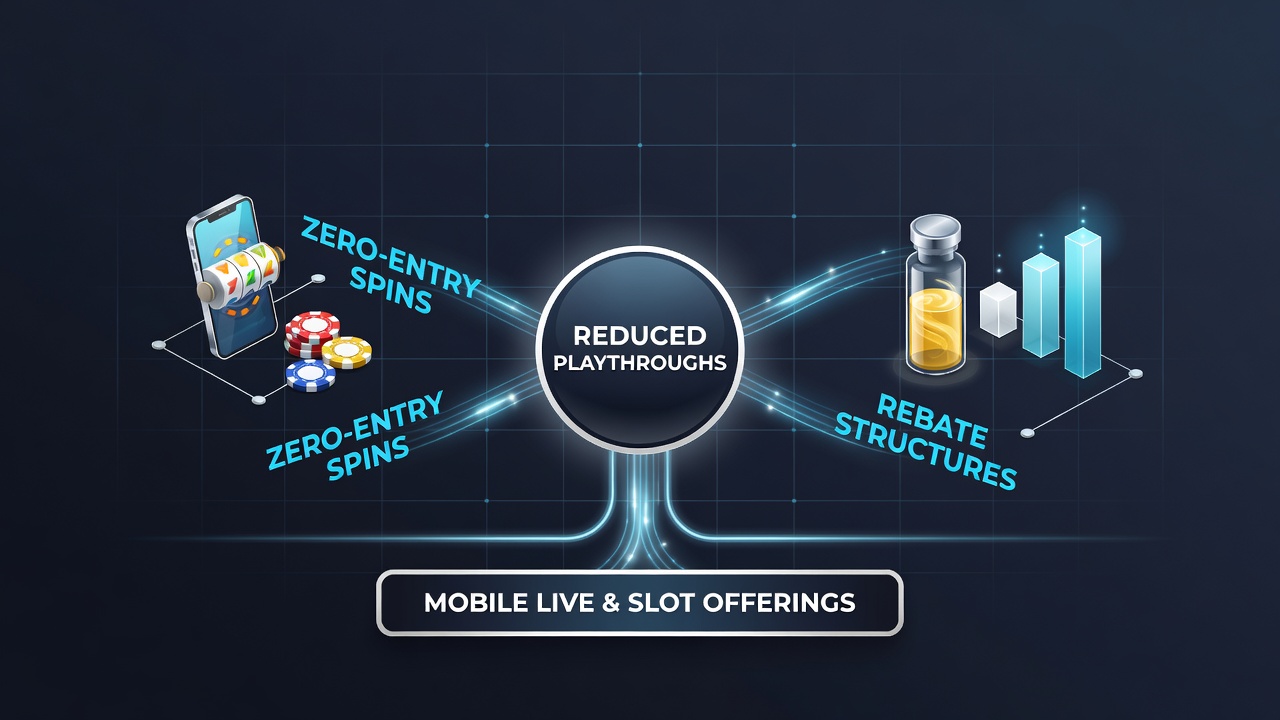
Operators have started linking zero-entry spins directly to rebate structures in mobile environments, and this approach allows players to meet wagering conditions with smaller overall contributions. The combination works by applying initial free rounds without deposits toward playthrough calculations while subsequent cashback returns offset additional requirements on both live dealer tables and slot titles.
Data from the Nevada Gaming Control Board indicates that mobile platforms saw increased adoption of hybrid bonus models in early 2026, where zero-entry spins feed into rebate cycles that reduce effective playthrough multipliers by up to thirty percent in certain configurations. Players access these through dedicated apps that track spin outcomes and automatically convert qualifying activity into rebate credits applied across live and slot categories.
Mechanics of Zero-Entry Spins in Mobile Settings
Zero-entry spins function as standalone rounds credited to accounts without prior deposits, and they generate real-money wins that count toward separate wagering targets. When paired with rebates, any losses from these spins trigger cashback percentages that return portions of the amount wagered, thereby lowering the net playthrough needed to unlock withdrawals. Mobile interfaces display real-time counters that show remaining requirements after each spin and rebate application, which helps users monitor progress without manual calculations.
Studies published by the American Gaming Association highlight how these integrations appear more frequently on apps supporting both live dealer streams and automated slot reels. The systems route winnings from zero-entry spins into a shared wallet that rebates draw from, creating a continuous loop where one bonus type supports the conditions of the other.
Rebate Structures and Their Role in Reducing Requirements
Rebate structures typically return between five and fifteen percent of total wagers made during a defined period, and when connected to zero-entry spins this return applies directly against outstanding playthrough balances. In practice, a player who receives twenty free spins without deposit might generate losses that qualify for a ten percent rebate, cutting the remaining multiplier from thirty times to twenty-seven times on the combined value. This adjustment occurs automatically in mobile systems that monitor activity across live tables and slot games simultaneously.

June 2026 updates to mobile platforms introduced enhanced tracking modules that separate live dealer contributions from slot activity while still pooling rebates into one calculation. Observers note that this separation prevents overcounting yet maintains the overall reduction benefit, allowing users to allocate spins strategically between game types without inflating requirements.
Application Across Live Dealer and Slot Offerings
Live dealer games benefit from the model because table minimums often align with spin values from zero-entry offers, and rebates then cover portions of those minimums to ease progress. Slot offerings integrate similarly through reel-specific multipliers that accept both free spin wins and cashback credits toward the same target. Research from the Journal of Gambling Studies shows that users on hybrid mobile systems complete playthroughs faster when zero-entry spins initiate the sequence and rebates handle mid-cycle adjustments.
Platforms apply these connections uniformly across regions where mobile access dominates, with algorithms adjusting rebate percentages based on game volatility to keep reductions consistent. Take one operator who implemented the pairing in spring 2026: their system credited zero-entry spins to live blackjack tables first, then routed resulting rebates toward slot playthroughs, achieving measurable drops in average completion time according to internal metrics.
Technical Integration on Mobile Devices
Mobile apps use unified ledgers that record every zero-entry spin outcome alongside rebate triggers, and this single view updates playthrough figures in real time. Developers incorporate conditional logic that activates rebates only after spins meet minimum win thresholds, which prevents premature reductions and maintains compliance with platform rules. The result appears as smoother session flows where players move between live streams and slot reels without separate bonus tracking.
Evidence suggests that such technical setups became standard in several markets by mid-2026, driven by the need to manage multiple game categories within one account. Those who manage the systems report fewer disputes over bonus calculations because the connections operate transparently through the app interface.
Conclusion
The linkage between zero-entry spins and rebate structures continues to shape mobile offerings by streamlining playthrough management across live dealer and slot environments. Regulatory data and industry reports confirm that these paired systems deliver measurable reductions in required activity while preserving operational standards. As platforms refine the connections through ongoing updates, the model supports broader access without altering core wagering mechanics.