Smartphone Displays Reshaping Multi-Tiered Incentive Structures Across Digital Gaming Platforms
Written by Mia Beck · May 22, 2026
Smartphone Displays Reshaping Multi-Tiered Incentive Structures Across Digital Gaming Platforms
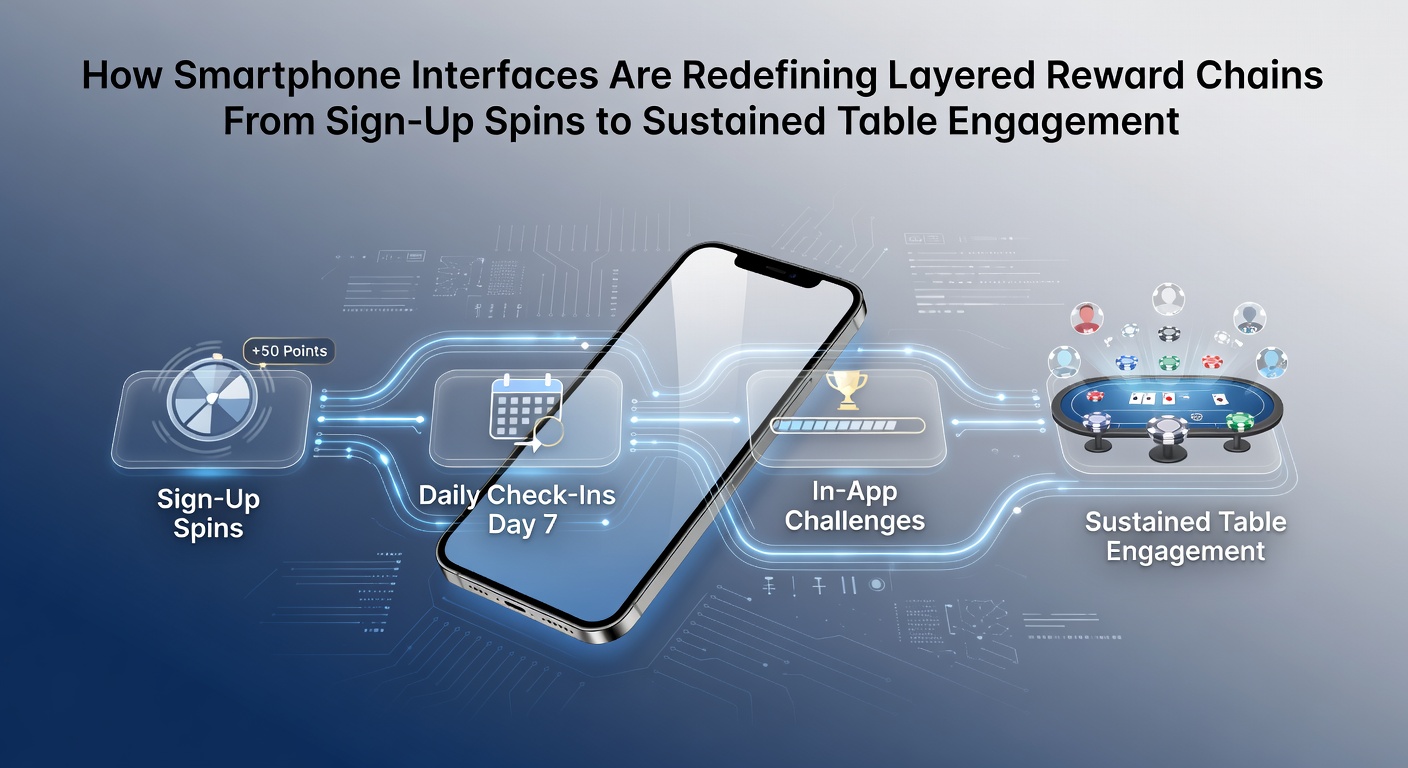
Smartphone interfaces now guide players through sequences of incentives that start with sign-up spins and extend into prolonged sessions at live dealer tables, and this shift reflects broader changes in how apps organize rewards based on touch interactions, screen layouts, and real-time data flows. Developers adjust button placements, swipe gestures, and notification timing so each layer connects smoothly to the next, while operators track engagement metrics to refine those connections further.
Initial Layers Formed Through Onboarding Flows
Sign-up processes on mobile devices incorporate free spins directly into the registration screens, and users complete profile details on one page while the system activates spin credits on the next, which reduces friction and increases completion rates according to industry reports from the European Gaming and Betting Association. App designers place prominent claim buttons near biometric login options, and this arrangement lets players move from account creation into gameplay within seconds rather than navigating separate menus. Data from platform analytics shows that such streamlined entry points lead to higher redemption of initial rewards compared with desktop versions where users face more steps.
Interface Elements That Build Subsequent Reward Tiers
Progress bars and achievement trackers appear along the edges of game screens, and these visual cues update automatically as players complete tasks such as wagering certain amounts or trying new titles, which encourages continued interaction without abrupt interruptions. Push notifications arrive at moments when session data indicates waning activity, and they often bundle reload offers with reminders about ongoing promotions, while algorithms adjust the timing based on individual play patterns observed across thousands of sessions. Researchers at the University of Nevada Reno documented similar patterns in mobile gaming applications, noting that consistent visual feedback loops help maintain momentum from early spins into mid-session activities.
Transitions to Sustained Table Play
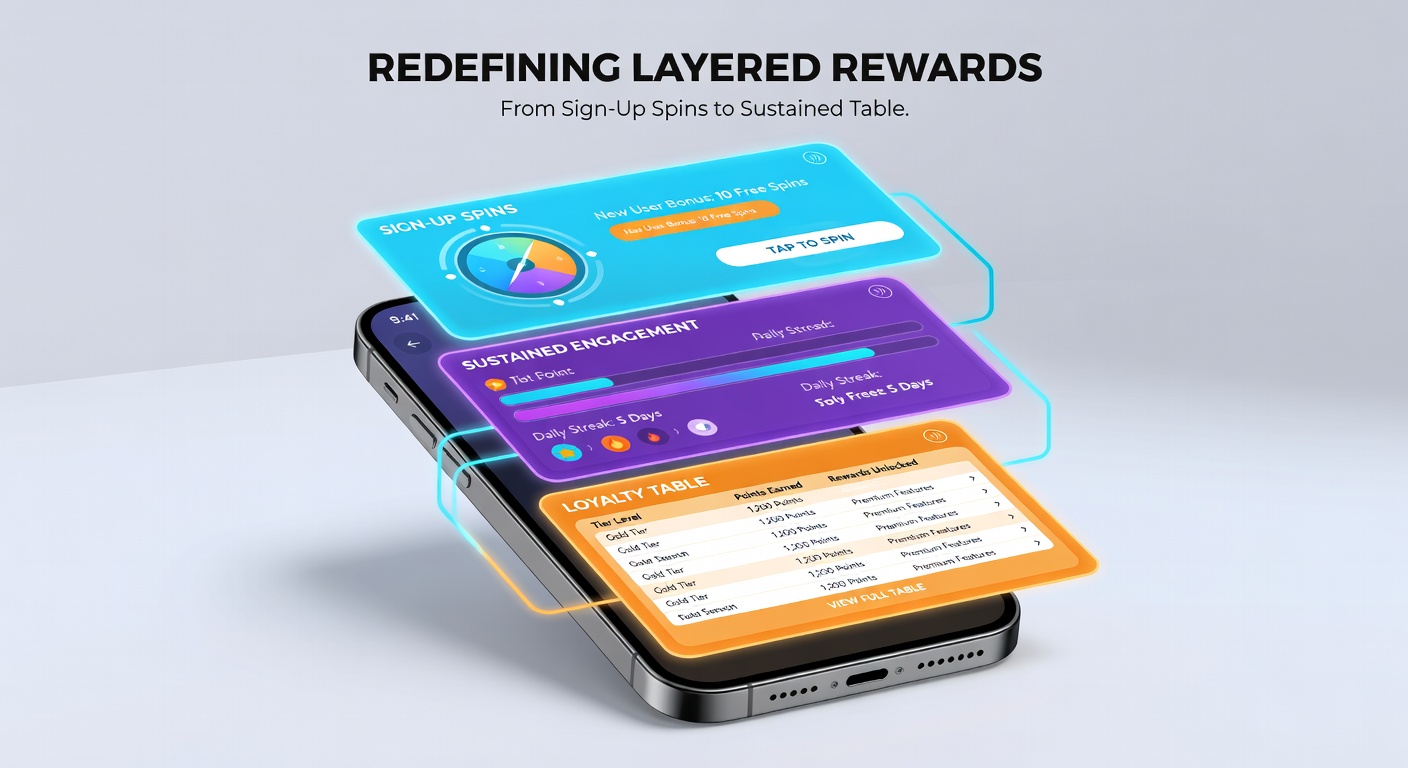
Live dealer sections within mobile apps feature simplified table selection interfaces that highlight available seats alongside reward multipliers, and players switch from slot reels to card tables with minimal loading delays because the underlying code preloads assets during earlier gameplay phases. Gesture controls allow quick adjustments to bet sizes or camera angles on the dealer feed, and these controls integrate with loyalty point trackers that display potential cashback tiers earned through extended participation. In May 2026 several major platforms rolled out updates that embed chat functions directly beside reward progress indicators, enabling real-time interaction while the system logs engagement duration for tier advancement calculations.
Personalization Through Touch and Sensor Data
Accelerometer readings and touch pressure sensitivity feed into reward algorithms that detect how intently users interact with certain features, and this information shapes offers such as bonus spins tied specifically to table games that match prior behavior. Developers test variations in menu depth and icon sizing across user cohorts, then apply winning configurations to wider audiences because performance metrics reveal clear differences in session length. Observers note that these sensor-driven adjustments create reward chains which feel responsive rather than static, and the result appears in aggregated statistics released by the Australian Communications and Media Authority showing increased average play durations on optimized mobile interfaces.
Retention Mechanisms in Later Layers
Cashback structures activate after set intervals of table engagement, and mobile dashboards present these returns alongside options to reinvest points into new spin packages or exclusive tournament entries. Background processes monitor connection stability and adjust reward pacing accordingly so intermittent signals do not disrupt progress tracking, while pop-up summaries recap accumulated benefits at natural breakpoints like the end of a dealer shoe. Industry analyses from the International Association of Gaming Regulators indicate that such layered approaches correlate with measurable upticks in repeat logins across multiple regions, although exact figures vary by operator implementation.
Conclusion
Smartphone interfaces continue to link initial sign-up incentives with deeper engagement tools at live tables through deliberate design choices around navigation, notifications, and data utilization. These connections rely on measurable user interactions rather than isolated features, and ongoing refinements in 2026 demonstrate how platforms adapt reward delivery to match evolving device capabilities and player habits.