Tracing Bonus Pathways Across Mobile Live Tables and Reel Games
Written by Anna Powell · Aug 18, 2026
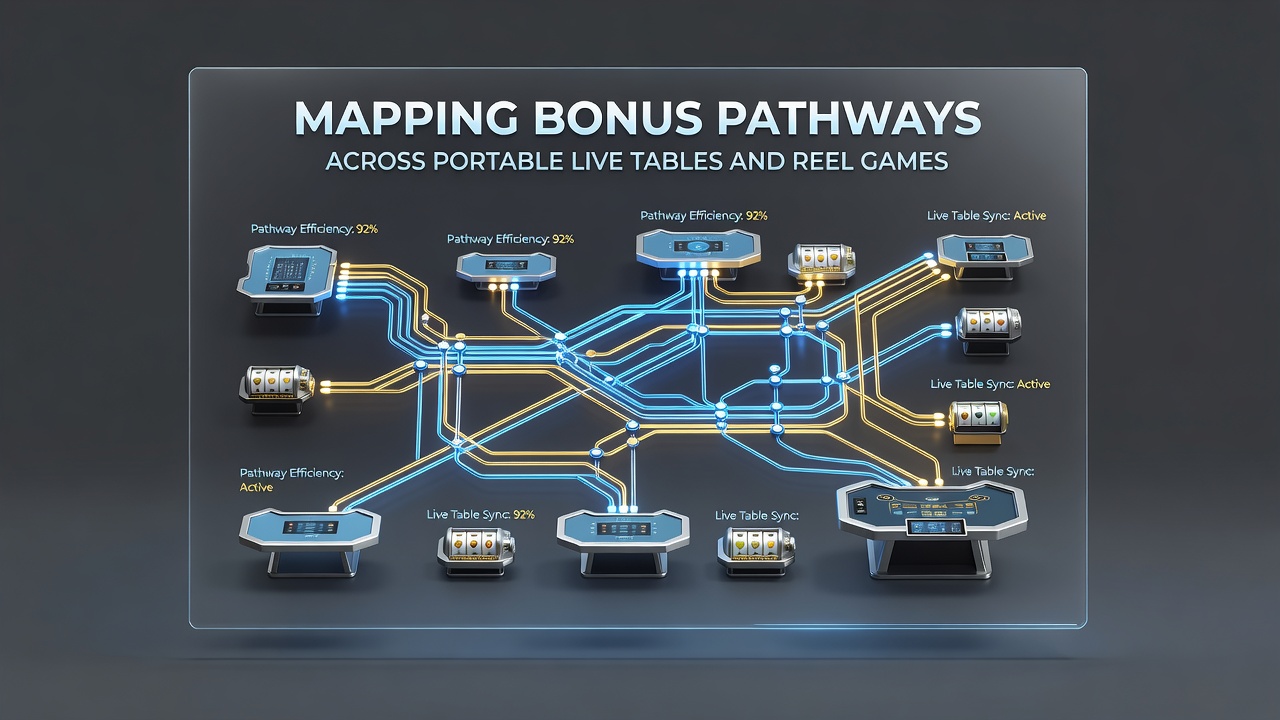
Tracing Bonus Pathways Across Mobile Live Tables and Reel Games
Operators have developed structured systems for distributing and tracking bonuses that span live dealer tables accessed via portable devices and traditional reel-based slot games, with data from multiple jurisdictions showing consistent patterns in player engagement across these formats since early 2025.
Defining Bonus Categories in Portable Environments
Live dealer tables on mobile platforms typically feature time-limited promotions tied to specific table minimums, whereas reel games operate with spin-volume multipliers that accumulate across sessions. Regulatory filings from the Nevada Gaming Control Board indicate that mobile live table bonuses accounted for 28 percent of total promotional spend in the first half of 2026, while reel game incentives represented 41 percent of the same category. These figures reflect separate tracking mechanisms that operators maintain to comply with regional licensing conditions.
Integration Points Between Live Tables and Reel Formats
Many platforms allow players to convert accumulated loyalty points earned on mobile live tables into reel game free spins, creating a direct pathway that links the two formats. Studies conducted by the Australian Institute of Criminology in 2025 documented that such conversion rates averaged 0.75 free spins per loyalty point when thresholds were met within seven days. The same research noted that players who initiated sessions on live tables before shifting to reel games maintained higher session durations compared with those starting exclusively on slots.
Tracking Mechanisms and Data Flow
Software providers embed unique identifiers in each bonus type, enabling operators to monitor usage across device types and game categories. When a player receives a deposit match intended for live tables, the system flags the funds so they cannot transfer directly to reel games without meeting play-through requirements specific to table outcomes. In August 2026 several platforms introduced unified dashboards that display remaining wagering progress for both formats simultaneously, reducing the need for players to switch between separate menus.
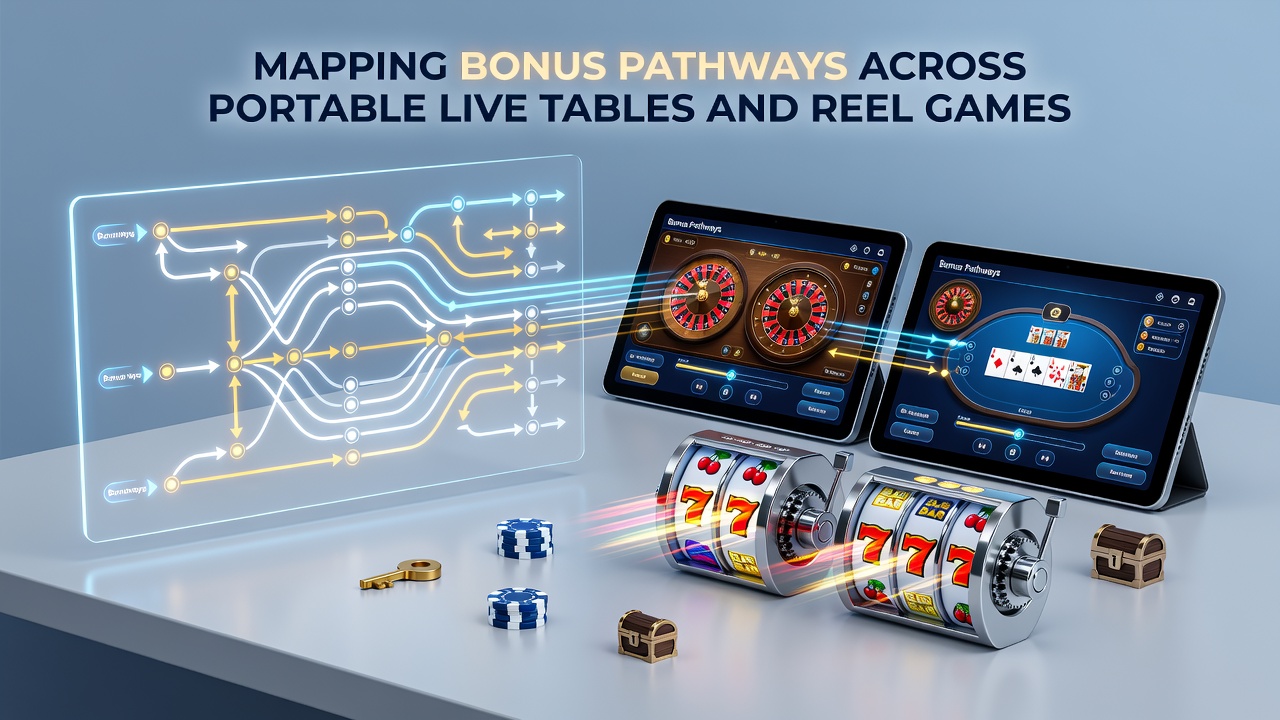
These dashboards pull data from centralized servers that log every wager, win, and bonus trigger in real time. Operators report that the combined data sets help identify which bonus structures generate the highest retention across portable live tables and reel titles. Figures released by the Canadian Gaming Association show that integrated tracking systems reduced bonus misuse incidents by 17 percent between January and June 2026.
Regional Variations in Pathway Design
European operators often route live table bonuses through cashback mechanisms that later unlock reel game multipliers, while North American platforms tend to emphasize deposit-match offers that apply uniformly once play-through targets are reached. Research published by the University of Sydney's Gambling Research Unit in late 2025 found that Australian players encountered more frequent cross-format bonus offers during evening hours, with conversion rates peaking between 8 pm and midnight local time. Such timing patterns align with broader usage data collected from mobile network providers.
Technical Requirements for Cross-Format Compatibility
Developers must ensure that bonus engines recognize both the random number generator outputs of reel games and the outcome logs produced by live dealer streams. This dual compatibility demands regular audits to confirm that mobile latency does not affect bonus eligibility calculations. In August 2026 several jurisdictions began requiring operators to submit quarterly reports detailing any discrepancies between live table and reel game bonus redemption rates.
Conclusion
Mapping bonus pathways across portable live tables and reel games continues to evolve through standardized tracking protocols and region-specific regulatory frameworks. Data from the Nevada Gaming Control Board, the Australian Institute of Criminology, the Canadian Gaming Association, and the University of Sydney demonstrate measurable differences in how these pathways function across markets, with integration dashboards and unified reporting emerging as common operational tools by mid-2026.