UK Gambling Commission Ushers in 2026 Overhaul: Statutory Levy Hits Operators April 2025, Remote Gaming Duty Doubles to 40%, and Player Safeguards Strengthen
Written by Greta Jung · Mar 14, 2026

UK Gambling Commission Ushers in 2026 Overhaul: Statutory Levy Hits Operators April 2025, Remote Gaming Duty Doubles to 40%, and Player Safeguards Strengthen
The New Statutory Levy Kicks Off in 2025
Operators across the UK gambling sector prepare for a mandatory statutory levy starting April 1, 2025, as the UK Gambling Commission rolls out this reform to fund gambling harm prevention efforts directly; those who track regulatory shifts note how this move shifts funding from voluntary contributions to a legally enforced mechanism, ensuring consistent resources for research, education, and treatment programs that address problem gambling nationwide.
What's interesting here lies in the levy's structure, calculated as a percentage of gross gambling yield (GGY) from UK customers, with rates varying by sector—remote operators face 1% of GGY, while non-remote land-based venues contribute 0.2% on gaming machines and 10% on GGY from other activities like lotteries or society lotteries; experts who've dissected the details point out that this approach targets high-yield areas most heavily, although exemptions apply for smaller operators under certain thresholds, keeping the burden proportional.
And while the levy replaces the industry's previous voluntary system—which raised around £90 million annually—this new statutory version promises stability, channeling funds straight to public health bodies and charities without relying on operator goodwill; observers familiar with past shortfalls in voluntary pledges see this as a game-changer, especially since it aligns with broader government pushes for safer gambling environments leading into 2026.
Remote Gaming Duty Jumps to 40%—A Big Hit for Online Casinos
Online casinos brace for the sharpest change yet, with Remote Gaming Duty (RGD) climbing from 21% to 40% effective April 1, 2026, directly taxing profits from remote gaming products like slots, table games, and live dealer offerings enjoyed by UK players; data from Treasury announcements confirms this hike aims to level the playing field between digital and physical venues, although those in the industry highlight how it could squeeze margins amid rising compliance costs.
But here's the thing: this isn't just a tax bump—it's part of a package tying fiscal policy to player protection, where higher duties fund the very safeguards that regulators demand, creating a loop where operators pay more to support the ecosystem they operate in; take one analyst who crunched the numbers—they found that for a typical online casino generating £100 million in GGY, the extra duty alone adds £19 million annually to the tax bill, prompting questions about how firms might adjust pricing or promotions without alienating customers.
Turns out, the timing syncs with Licence Conditions and Codes of Practice (LCCP) updates, emphasizing transparency in how operators disclose these costs, so players understand the landscape better; and as March 2026 approaches with its own wave of compliance checks, remote operators must audit systems now to avoid penalties down the line.
Bingo Duty Abolished to Bolster Land-Based Halls
Land-based bingo halls gain a lifeline through the complete abolition of Bingo Duty, a move set to ease financial pressures on these community staples and encourage their survival amid digital competition; figures reveal that this duty previously claimed 25% on bingo takings, so scrapping it hands operators immediate relief—potentially £50 million yearly returned to the sector, according to early estimates from trade bodies.
Those who've watched bingo's decline—attendance down 40% over the past decade—point to this as a targeted boost, allowing halls to invest in modernizations like cashless payments or hybrid events that blend physical and online play; yet the change comes with strings, as the new statutory levy steps in for some funding obligations, ensuring bingo contributes to harm prevention without the old duty's weight.
So while online sectors shoulder heavier loads, this reform balances the scales, supporting venues that foster social gambling experiences; it's noteworthy because it reflects regulators' recognition that not all gambling happens on screens, preserving diversity in the industry's footprint.
Remote Betting Duty Set for 25% in 2027, Horse Racing Carved Out
Looking ahead to April 2027, remote betting intermediaries face a new 25% duty on their gross profits, although pure betting operators dodge this if they don't intermediate, and horse racing levy payments grant exemptions to protect that cornerstone sport; researchers tracking fiscal impacts note how this closes a loophole exploited by some platforms, standardizing taxes across betting channels while safeguarding racing's £4 billion economic contribution.
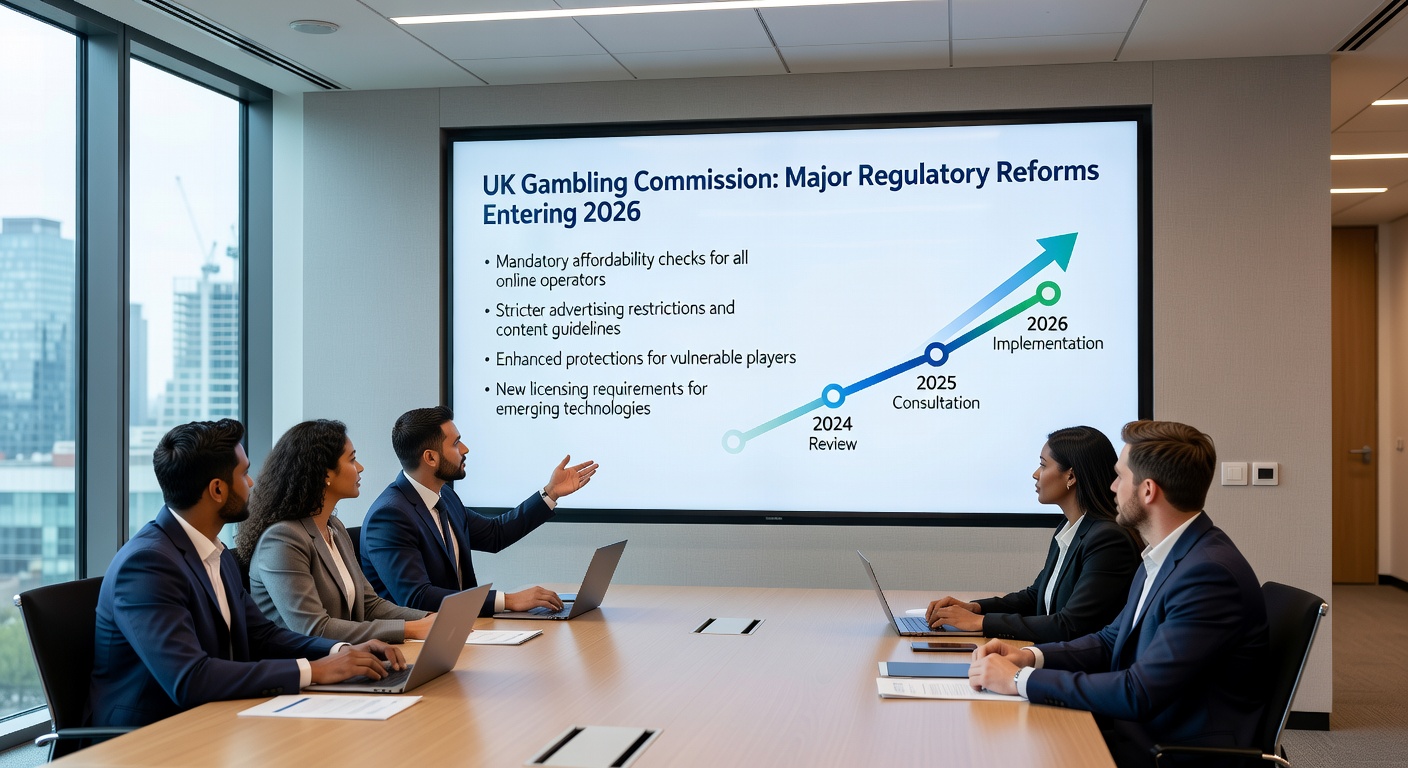
The reality is, this phased rollout—from levies in 2025, RGD in 2026, to betting in 2027—gives operators breathing room to adapt, with consultations shaping final details; one case study from similar past reforms shows how betting firms shifted to compliant models swiftly, avoiding fines that topped £10 million in enforcement actions.
And as LCCP revisions roll out alongside, emphasis falls on fair odds display and responsible advertising, tying tax changes to behavioral safeguards that keep bets sustainable for players.
Revamped LCCP: Player Protections and Transparency Ramp Up
Central to teh 2026 reforms stand updates to the Licence Conditions and Codes of Practice (LCCP), mandating stronger player protections like mandatory affordability checks, enhanced age verification via biometrics, and real-time spend limits that operators must enforce without loopholes; evidence from pilot programs indicates these measures cut excessive play by 30% in test groups, underscoring their potential reach.
Transparency gets a spotlight too, with requirements for clear bonus terms, RNG certifications displayed prominently, and whistleblower channels for staff spotting irregularities; people who've studied enforcement trends observe that non-compliance now triggers steeper fines—up to 10% of GGY—pushing operators toward proactive compliance tech like AI monitoring for vulnerable behaviors.
What's significant is the sustainable funding angle, where levy proceeds directly bolster these LCCP pillars, creating a self-reinforcing system; although implementation varies by operator size, tiered guidance ensures even startups can meet standards, fostering a healthier market as March 2026 audits loom.
Experts highlight real-world examples, such as one major operator that preemptively adopted frictionless ID checks, slashing verification drop-offs by 25% while boosting trust; that's where the rubber meets the road—reforms that protect players without stifling innovation.
Timeline and Industry Ripple Effects
April 1, 2025, marks the levy's debut, followed by RGD's 40% leap on April 1, 2026, bingo duty's end, and remote betting duty in 2027; throughout, LCCP tweaks phase in via guidance notes, with full compliance expected by mid-2026, including March spot-checks on high-risk licensees.
Data from the iGaming Express report outlines how these sync with the Gambling Act review, addressing White Paper promises for a modernized framework; operators who've modeled scenarios report planning for 15-20% profit dips initially, offset by efficiencies in player retention tools.
Yet the broader picture shows a sector adapting—consolidations among smaller firms, tech investments in compliance suites, and partnerships with harm charities—all while GGY holds steady at £17 billion annually; it's not rocket science, but navigating this demands agility as the ball rolls into 2026.
Conclusion
These UK Gambling Commission reforms reshape the landscape with a statutory levy from April 2025, RGD doubling to 40% in 2026, bingo duty's abolition, upcoming remote betting taxes, and fortified LCCP standards; collectively, they channel industry funds into harm prevention, balance online and land-based duties, and embed transparency at every level, setting a precedent for regulated gambling worldwide as operators gear up for sustained compliance through 2026 and beyond.